Since childhood I have made things with my hands, doubtless intrigued by my father’s own taste for purposeful manual work with a deliberate, projected finite result.
Aged 6 or thereabouts I vividly remember him making a rubbish-bin hopper that was supposed to tip back under foot-pressure to give access to the bin-bag. I also remember him building a planter on the front door steps, transforming a cottage near Stranraer, theatrically decorating the garage for a Midsummer Night dream-party. His onw father lived across the road in a house full if his own creations (wrought-iron chandelier, lead-jointed glass-fronted bookcases and such like). An activity that would bear the commercial tag DIY, was simply a way of life for a lot of people with a creative bent who had spare time on their hands. ‘Twas nothing exceptional….
However, with practice comes understanding. Not for the teenage me was the merely utilitarian or banal imitation. Whatever one might do should reflect at the very least a discovery, l’astuce, an intelligent apprehension of (if not profound relation to) the problematic in hand, ideally to be dealt with in a few smart moves : checkmate !
Here, of my own ‘DIY’ efforts, I include anything ‘three-dimensional’ (including project sketches) that is not strictly architectural, ceramic or stand-alone furniture.
Wood- & wicker-work, late 1960’s
Samples to be identified & photographed
Enameled metal jewelry, late 60’s
Samples to be identified & photographed
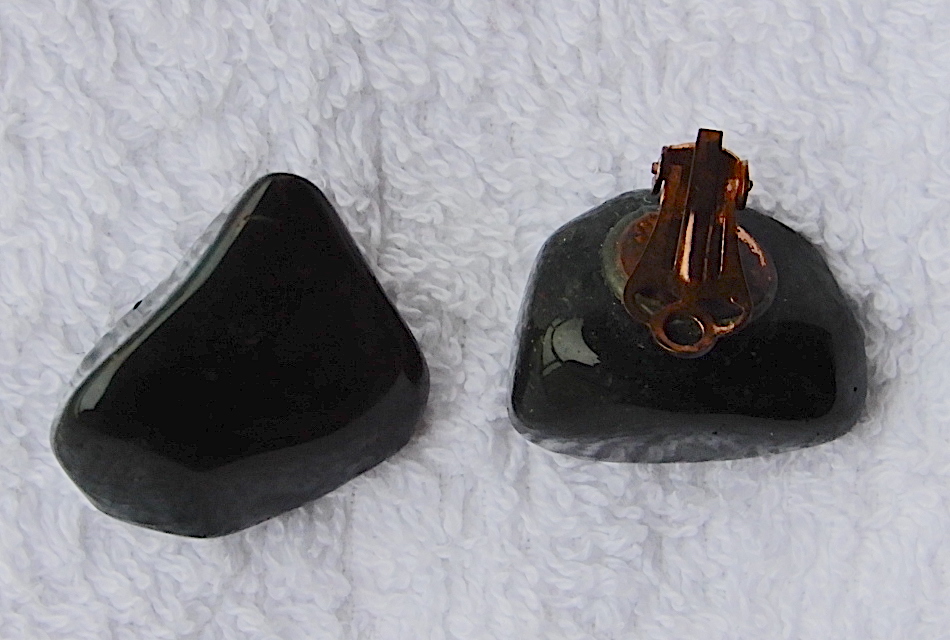
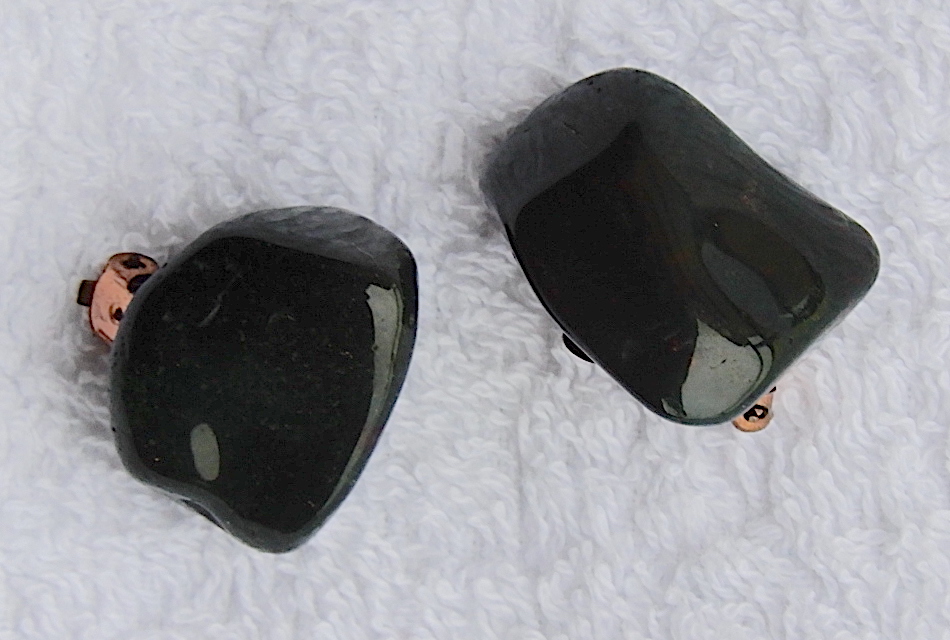
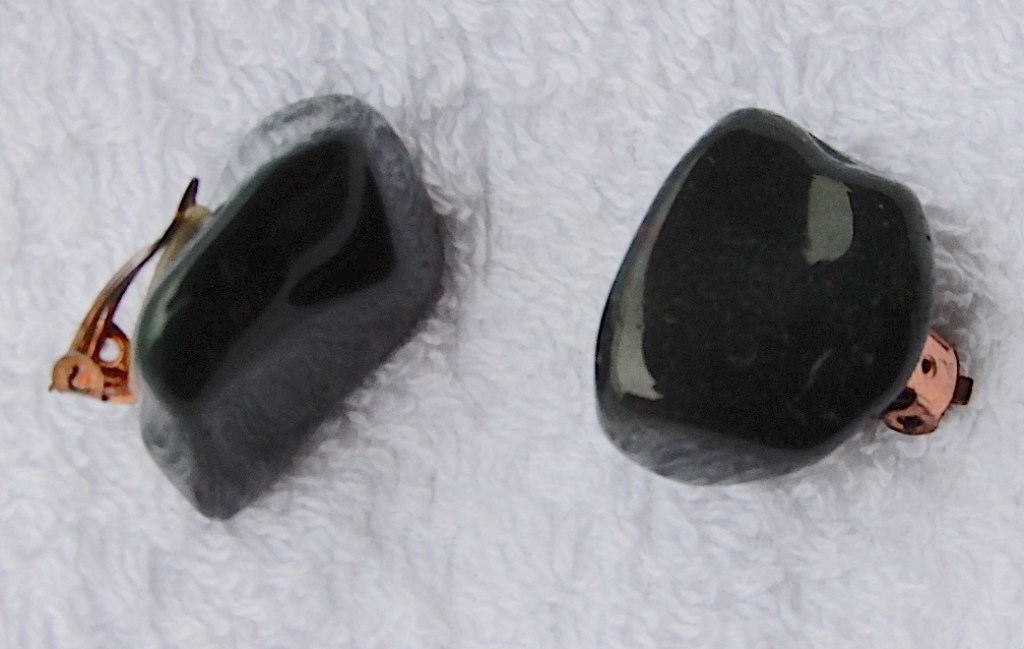
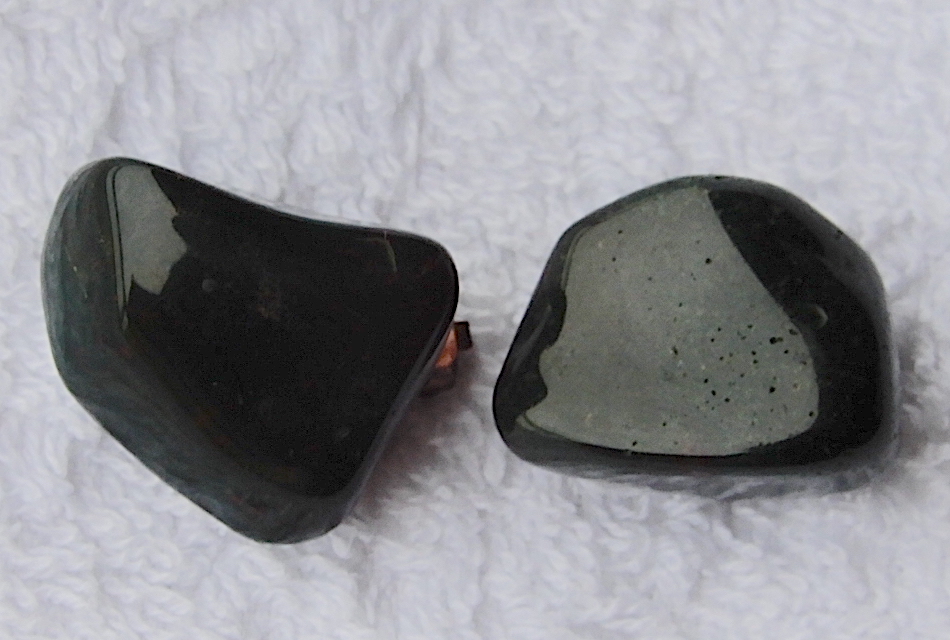
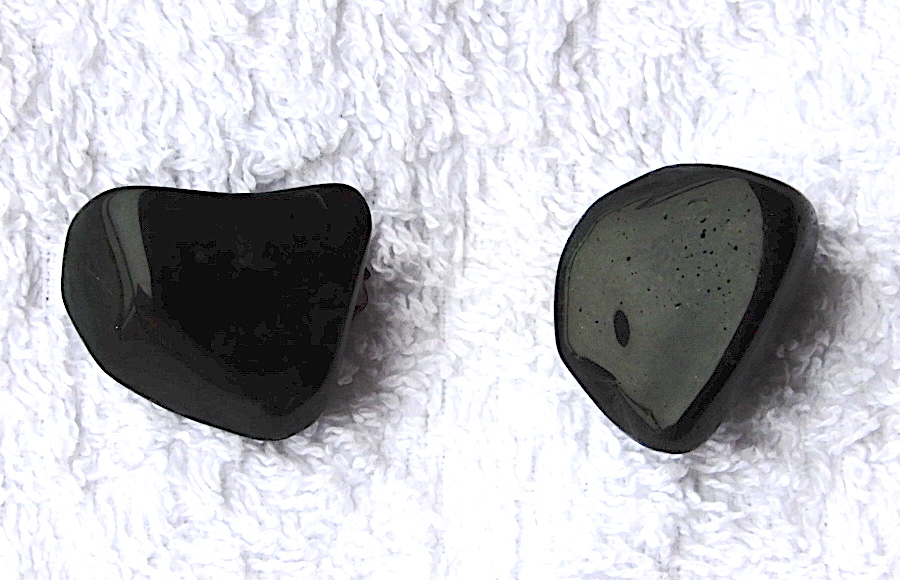
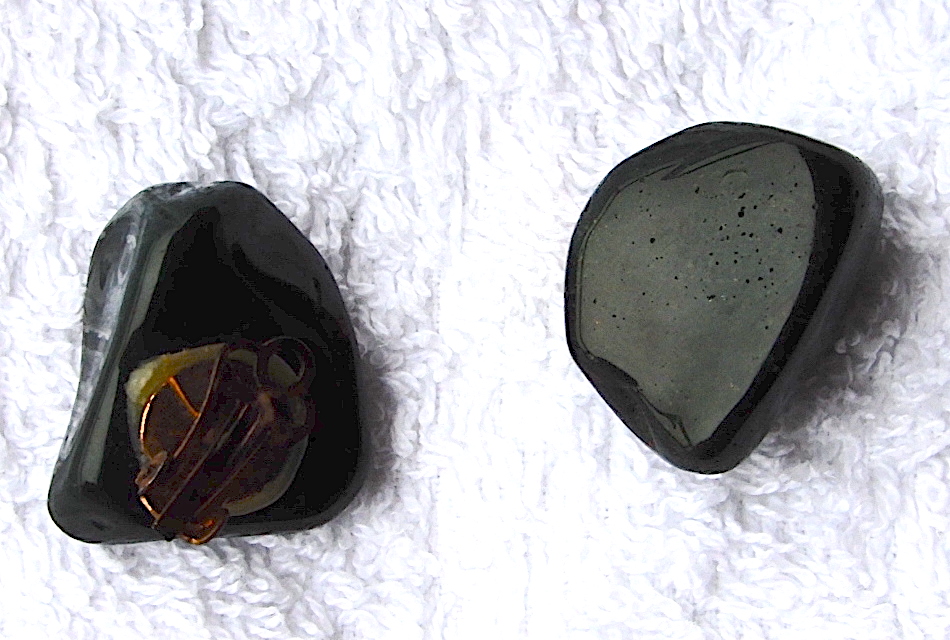
Polished stone jewelry, early 1970’s
Green Serpentine earrings, perhaps the only sample available. Thanks to an electric, motorised, tubular grinder, which I would fill with pebbles gleaned from beaches in Scotland and elsewhere, I disposed of a ready supply of polished stones. The polishing process might take several weeks. With pocket-money I would buy glue and metal accessories, to make gifts for family friends.


Spatial installations, late 1970’s
In this might be included the interior ‘effects’ wrought on my first flat, above my grandfather’s shop in Wimbledon. I had not even started Architecture school, yet hung a piece of rusty corrugated iron on a wall in the sitting-room.
Trace photographs to be identified
Ambiance of Highgate Cemetery, 1978
In the second year of BA Hons Architecture course at Kingston Polytechnic, we were set the task of describing by graphic or plastic means our atmospheric impressions of Highgate Cemetery, the private one, not normally accessible to the public. I produced a multi-tiered, polychrome salad which I displayed in one of my deeper stoneware bowls (of former production) and regularly sprayed mist over it during the presentation.
Trace photograph to be identified
Readymades & sculpture, early 1980’s
Working in Milan I discovered all sorts of standard supplies which, painted, might be combined into surrealistic compositions. Later, in London, I would have marble cut as a plinth to nickel-plated prostheses, presented as abstract sculpture.
Samples to be identified & photographed
Woodwork fit-out, late 1980’s > early 1990’s
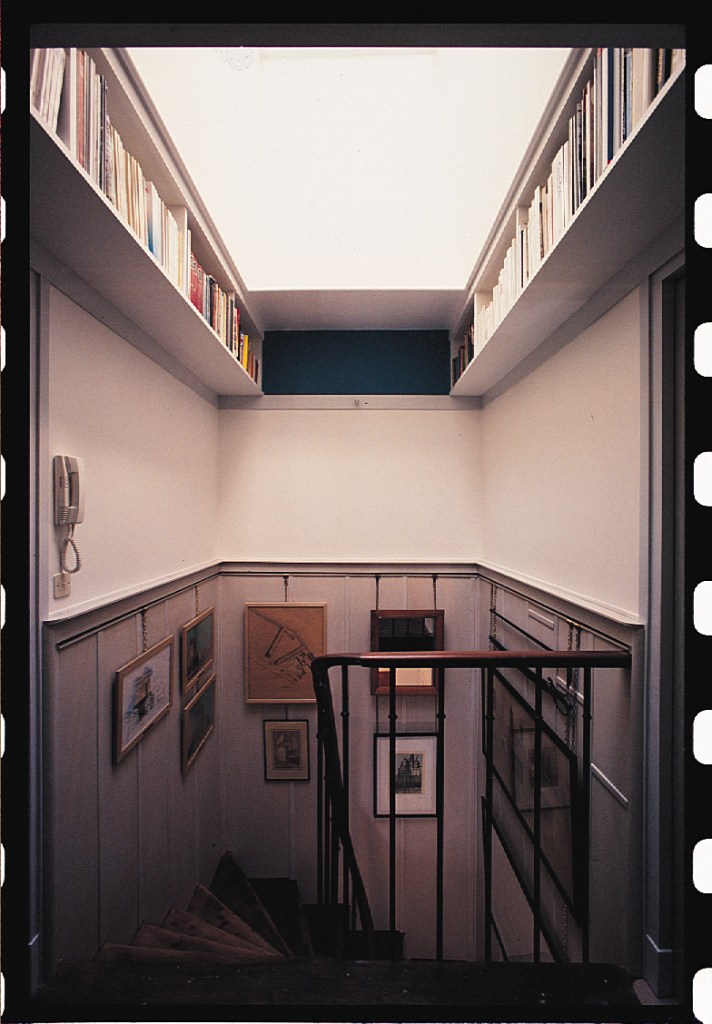
Settled in Paris in 1986, with a house to progressively fit out (we couldn’t afford most of the joinery straightaway) I spent most weekends on woodwork fixtures such as shelving, panelling, picture railing, hanging systems, door surrounds, skirting, & other mouldings.
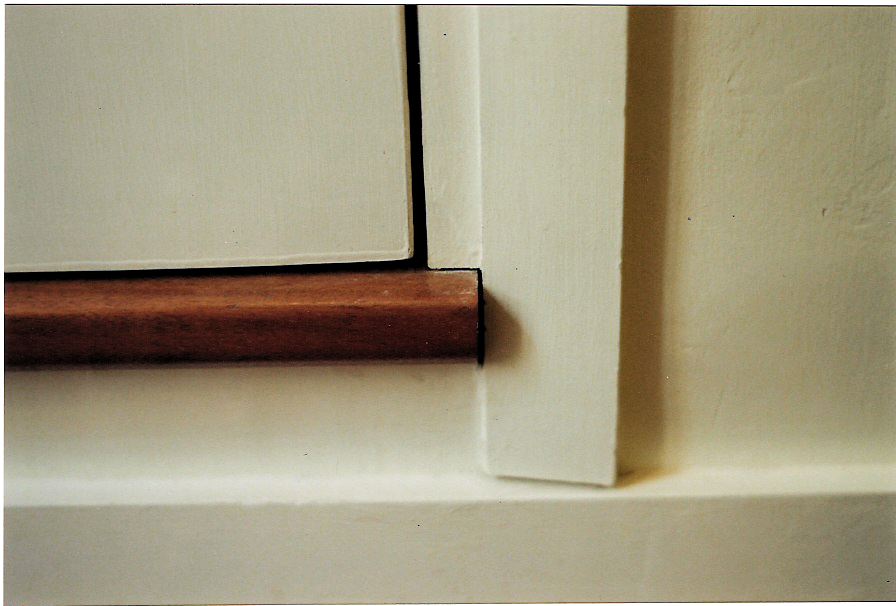
Pictures shown include an Antonio MARTINELLI photograph of our stairwell at home. (To access the storage shelves, a planked platform bears on the horizontal runners.) Ventilated irregular panel widths correspond to escalier balancé stair treads, and allow the masonry to breathe. The joint moulding proud of the surface prevents picture-frames from scratching the stained surface.
2° oeuvre fit-out, late 1990’s > early 2000’s
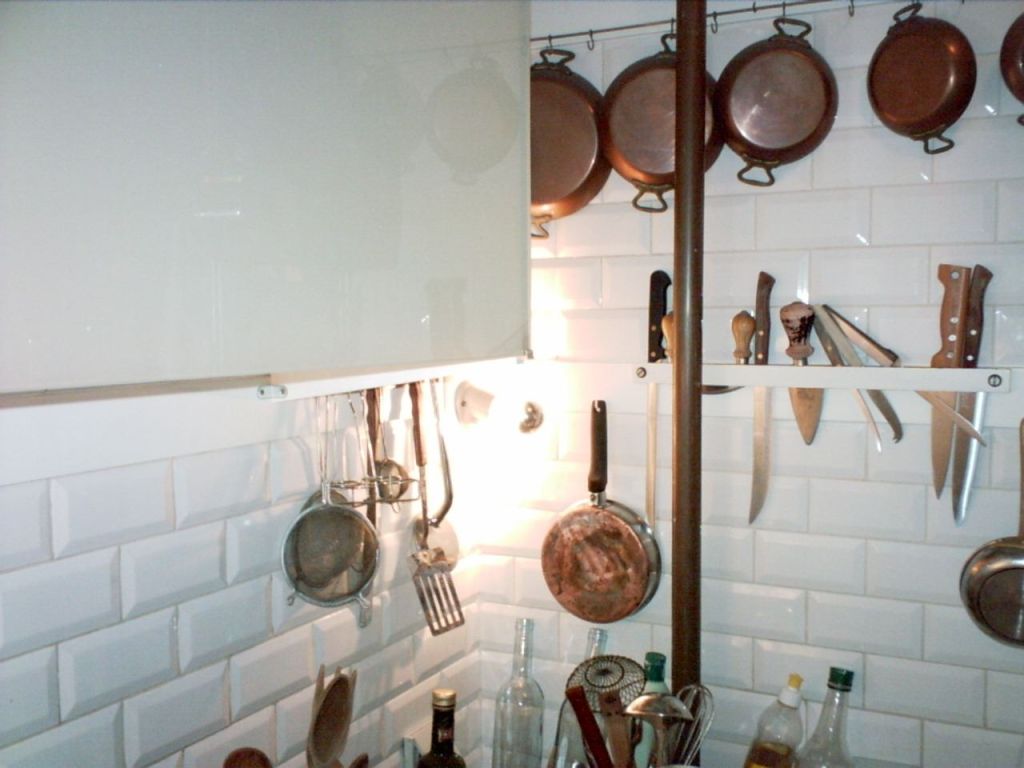
Buying a flat in Nice was the opportunity, so I thought, to make a genuine artist / architect’s live-in atelier out of a bourgeois apartment. To bargain purchase price, bargain budget. Apart from plumbing and electrical installations (which I helped prepre <i did most of the masonry & tiling interventions myself.
Furniture recovery, early 2000’s
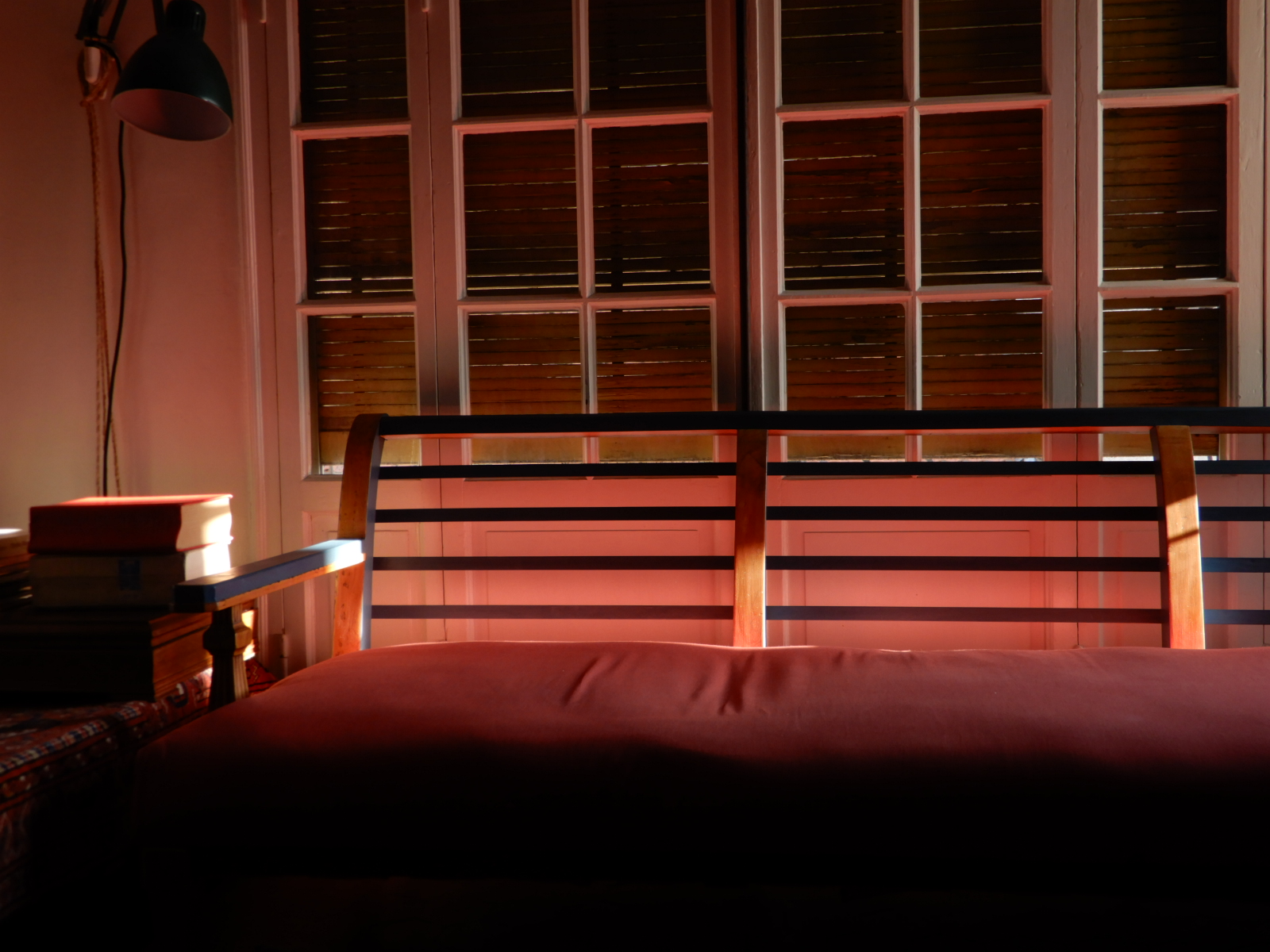
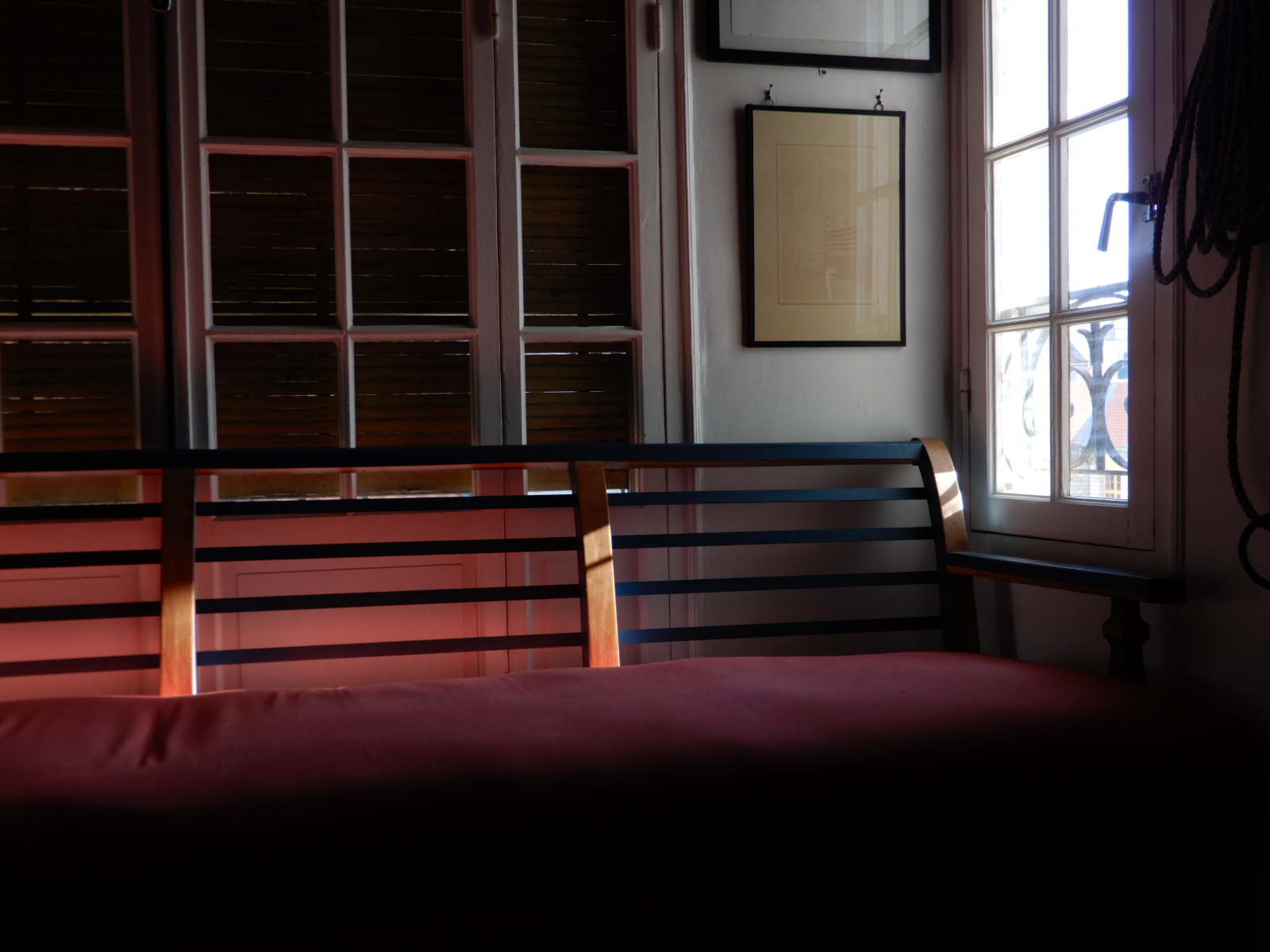
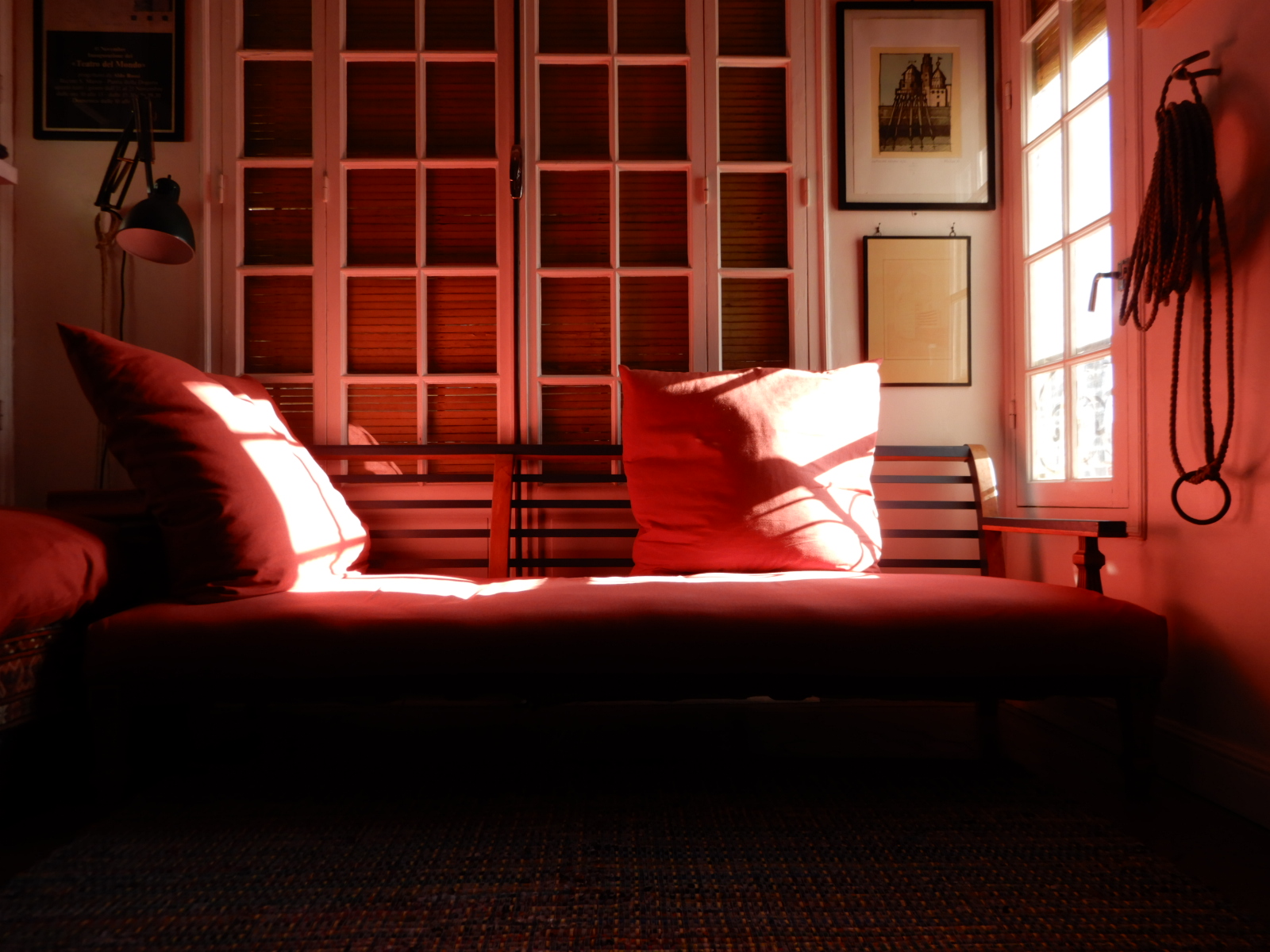
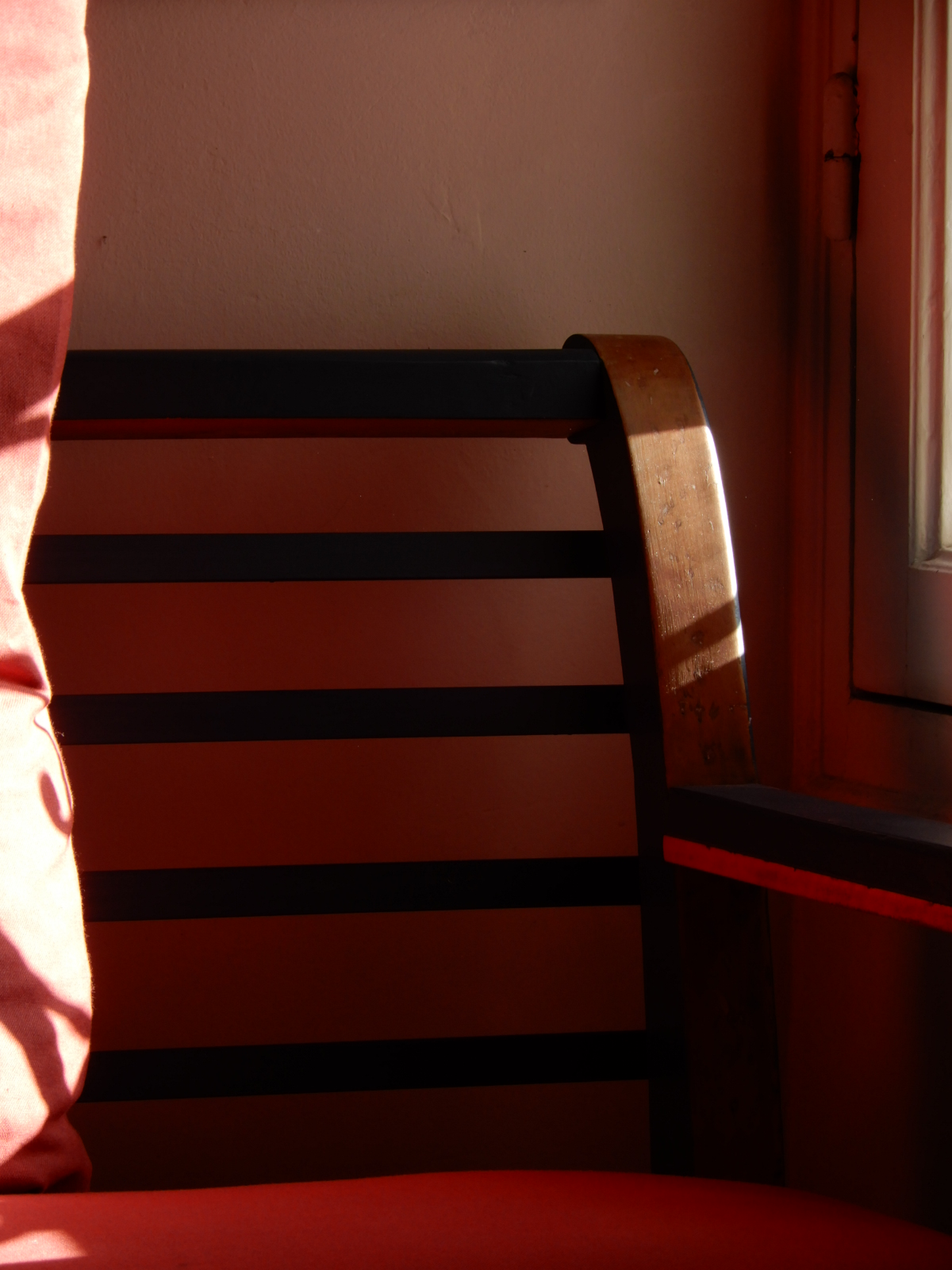
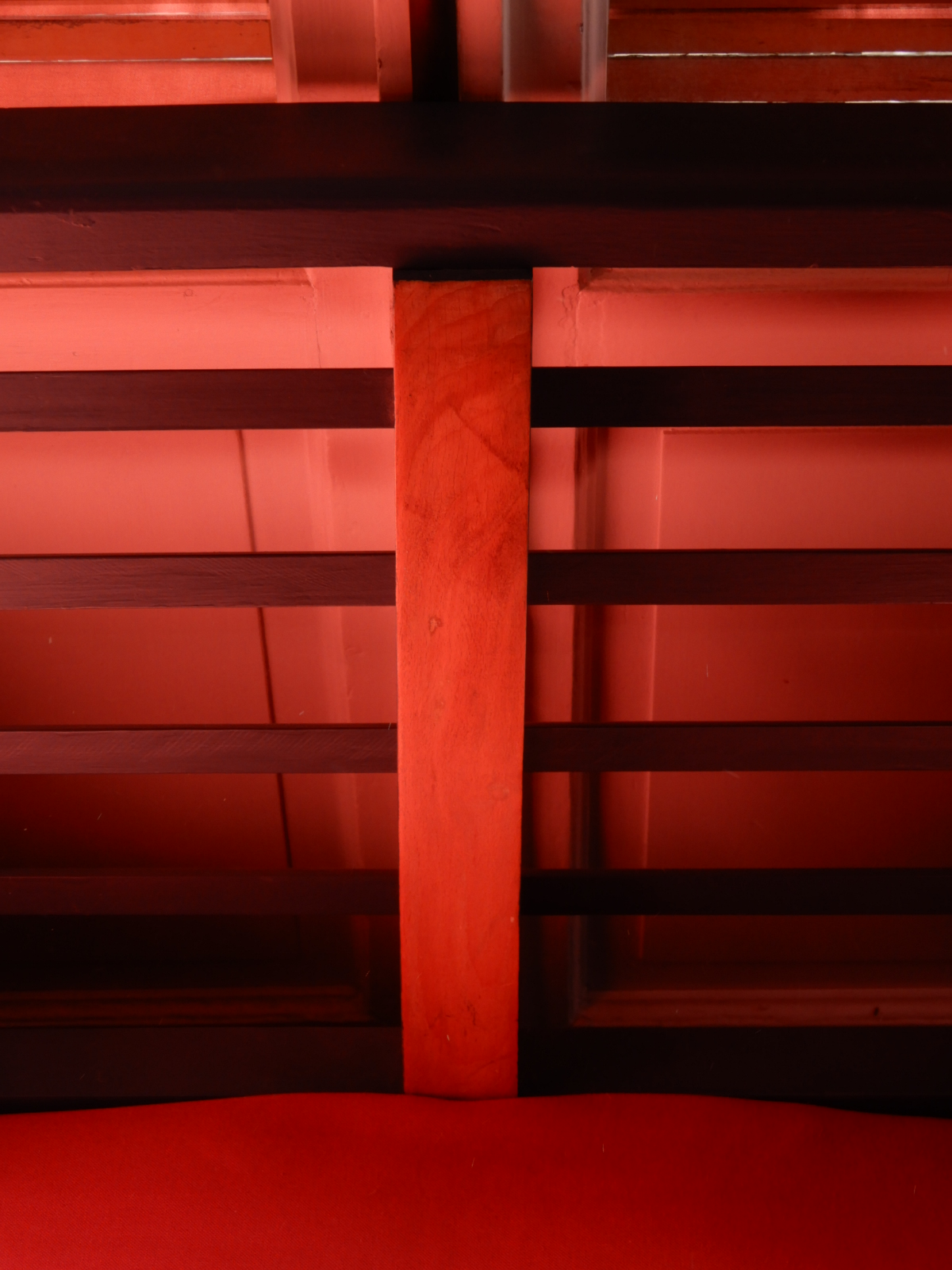
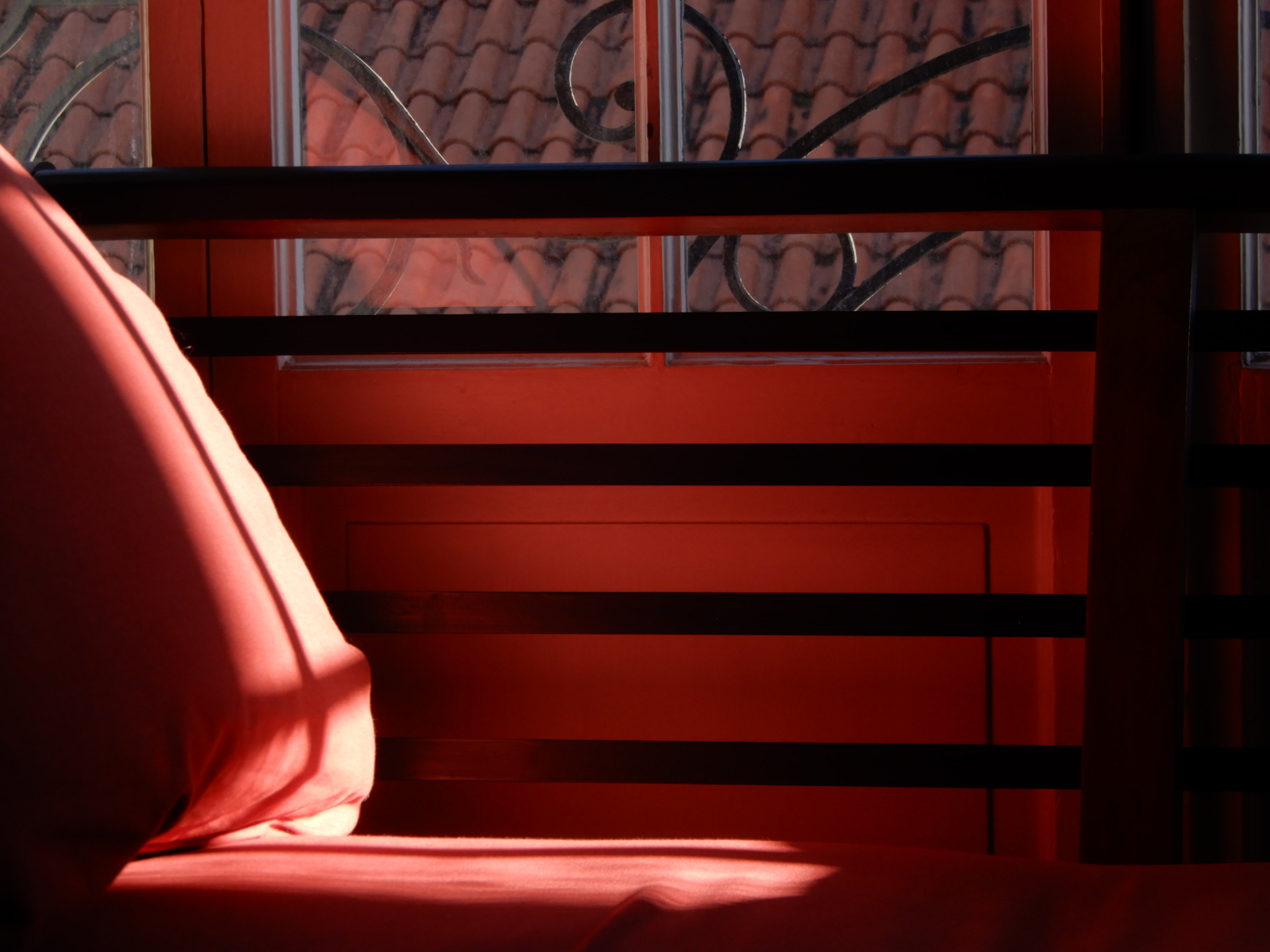
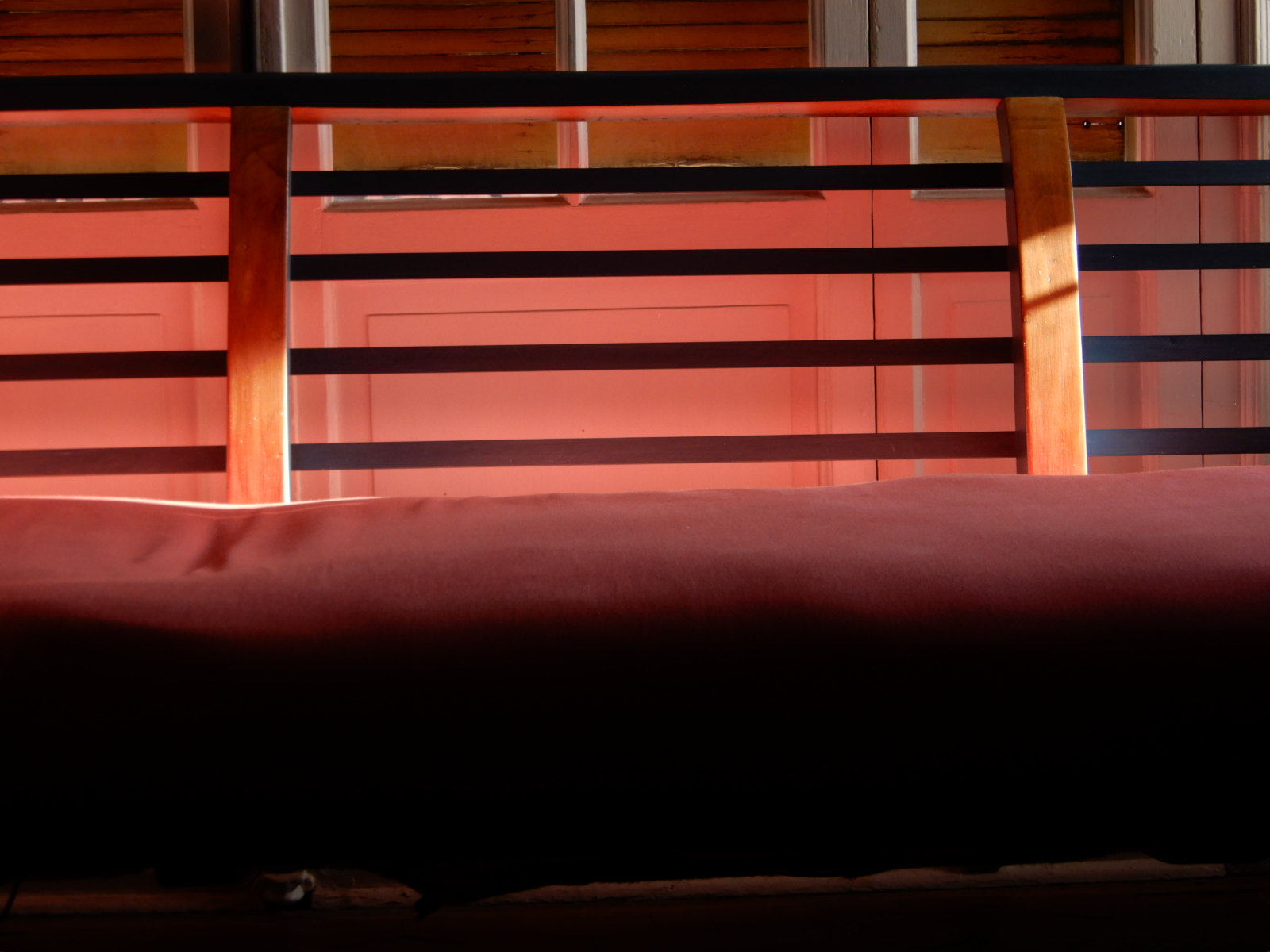
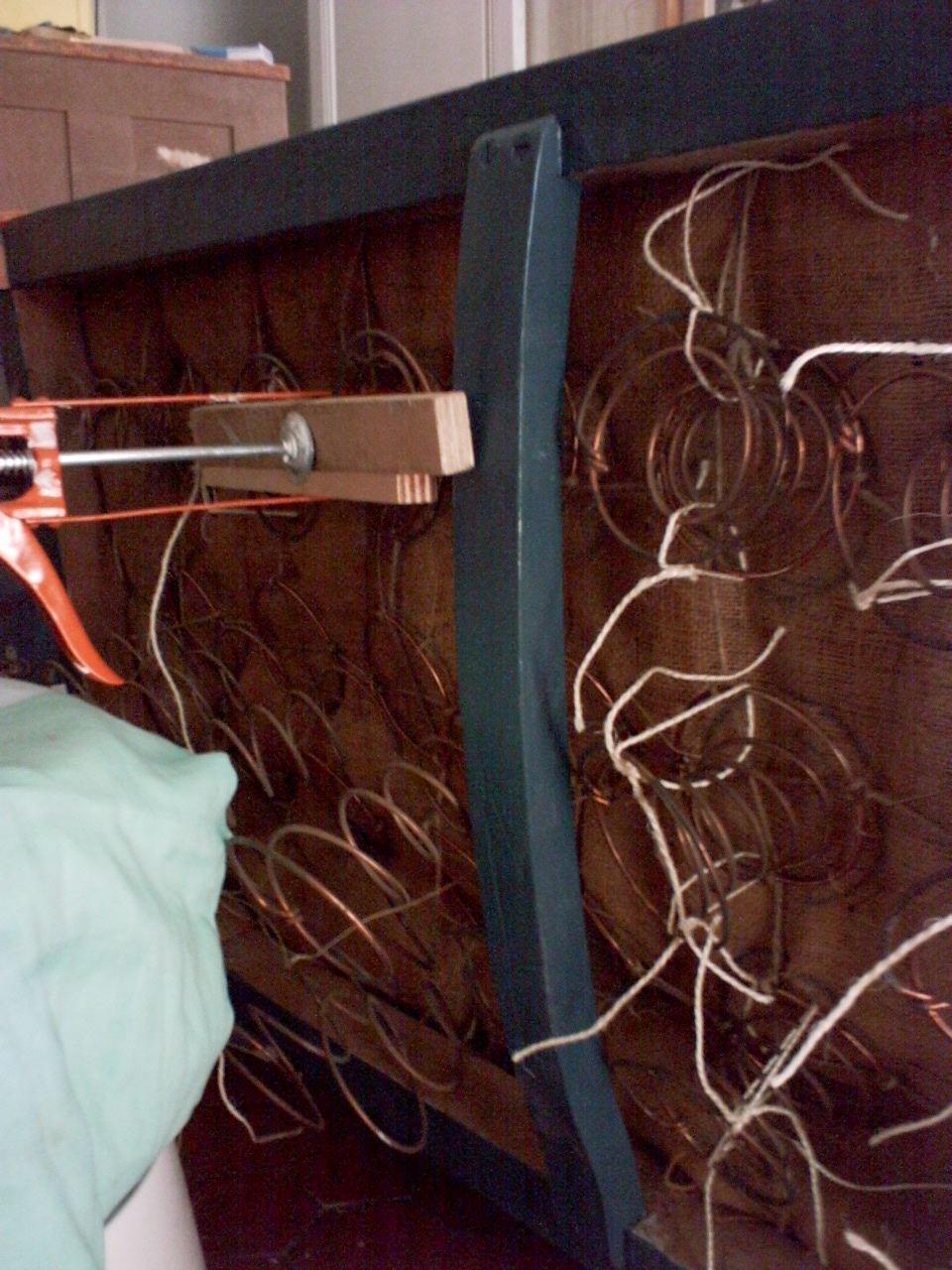
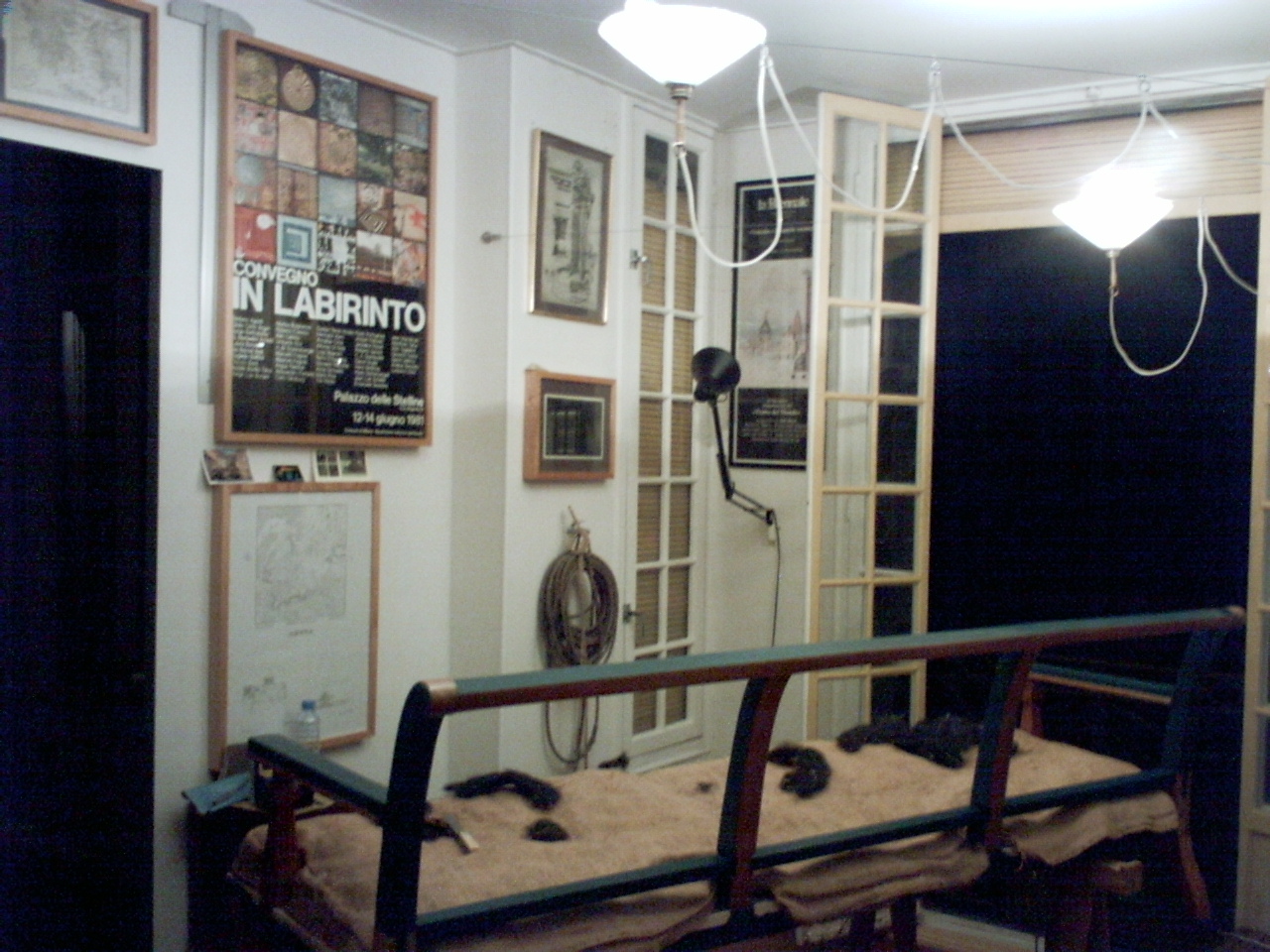
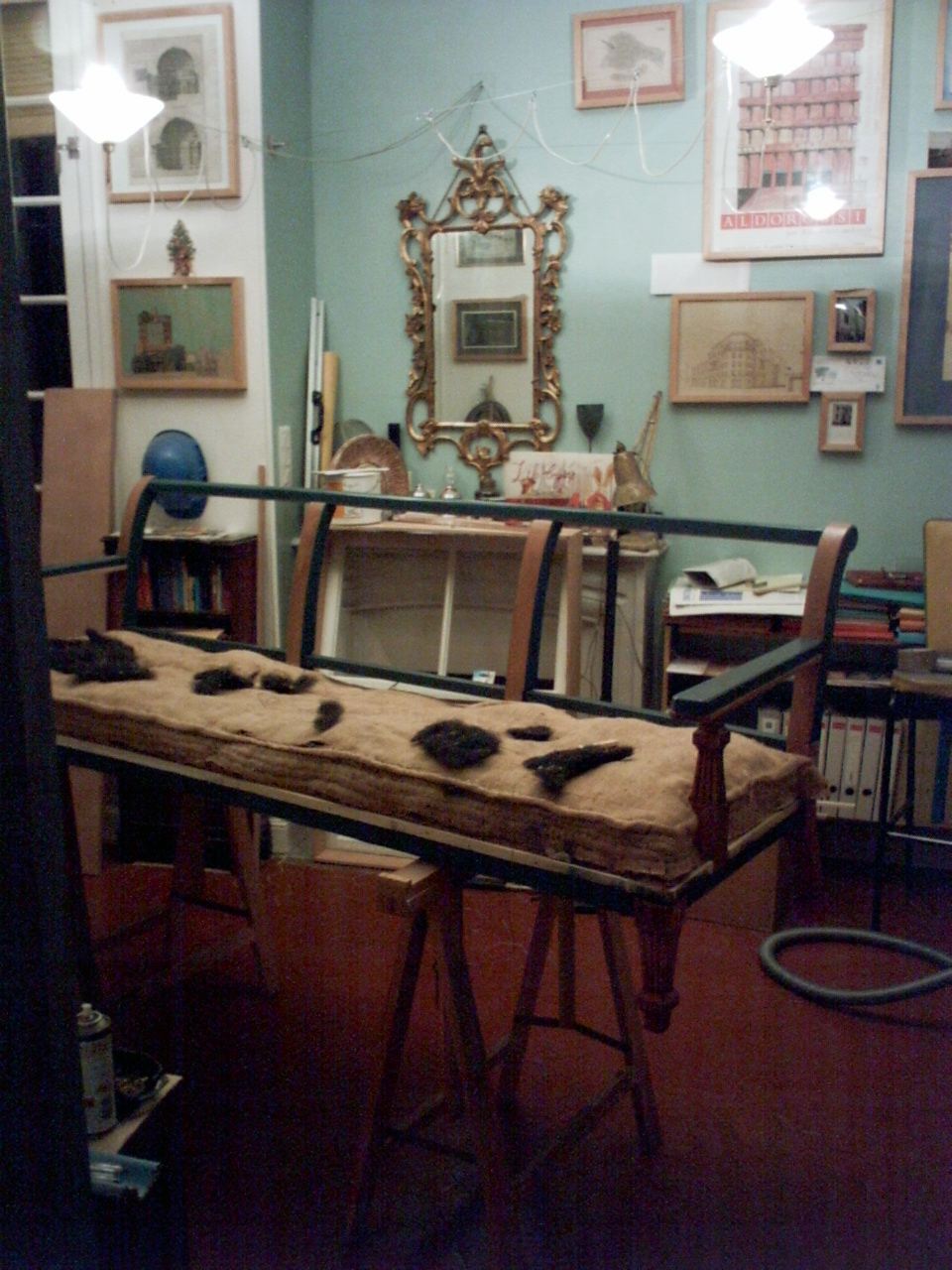
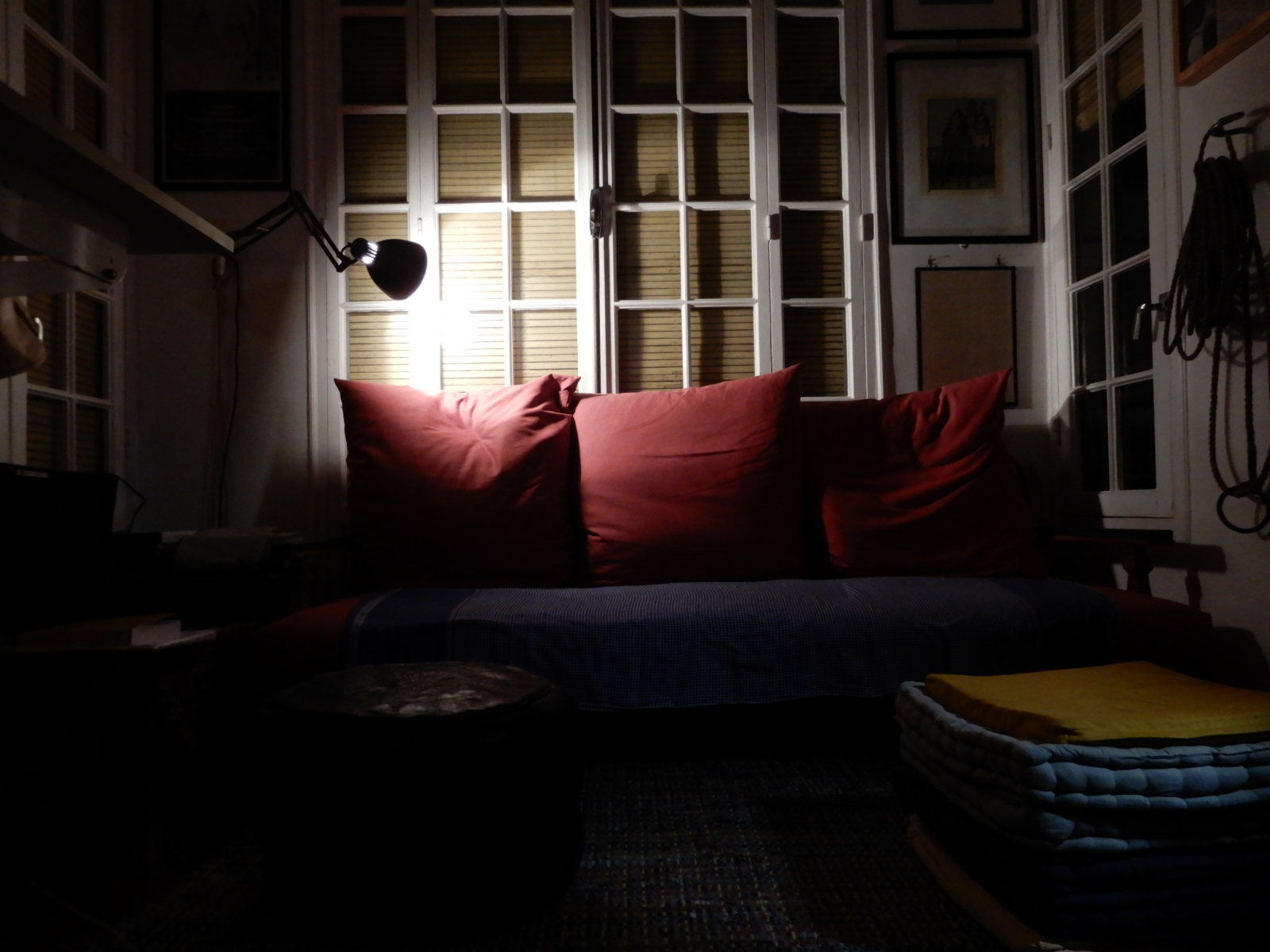
At the instigation of my friend the designer Sarah STALLARD, I had bought this long shallow settee in early 1980’s Portobello, as a bed-length kip-down for overnight charrettes in a future office. 20 years and several households’ use later, I stripped it back to the bones, added slats to the backrest and re-upholstered the seat. A gain in depth, comfort, elegance & flexibility, cushions replace the formerly upholstered & buttoned backrest.
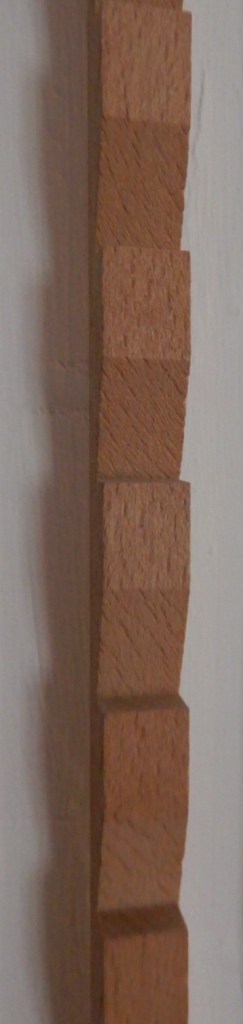
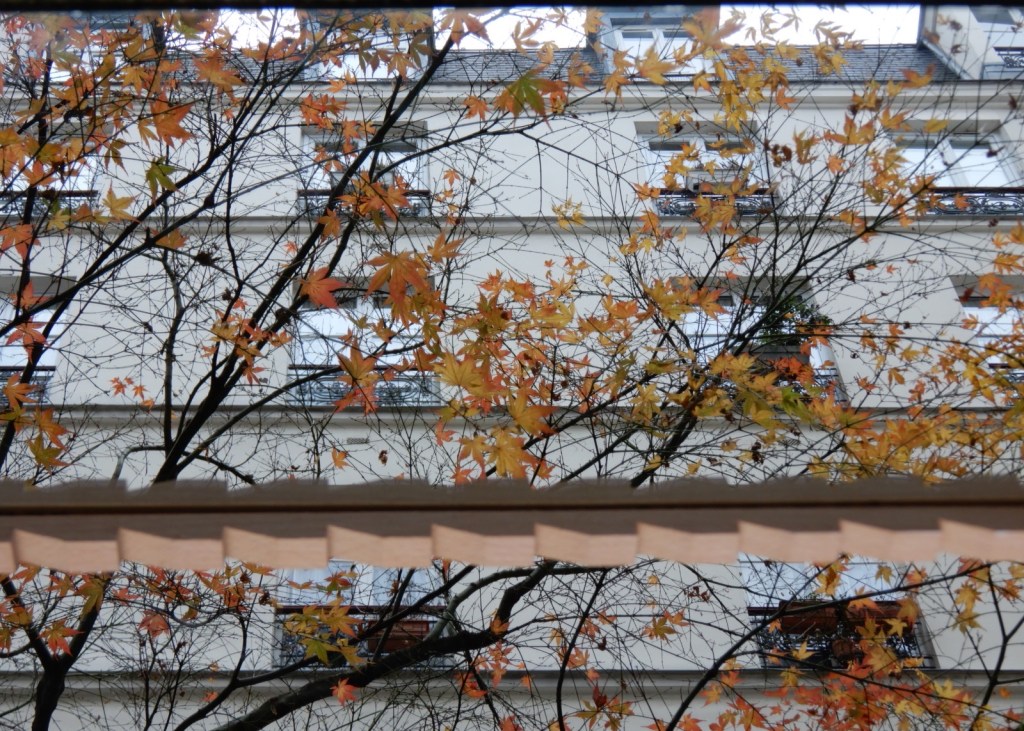
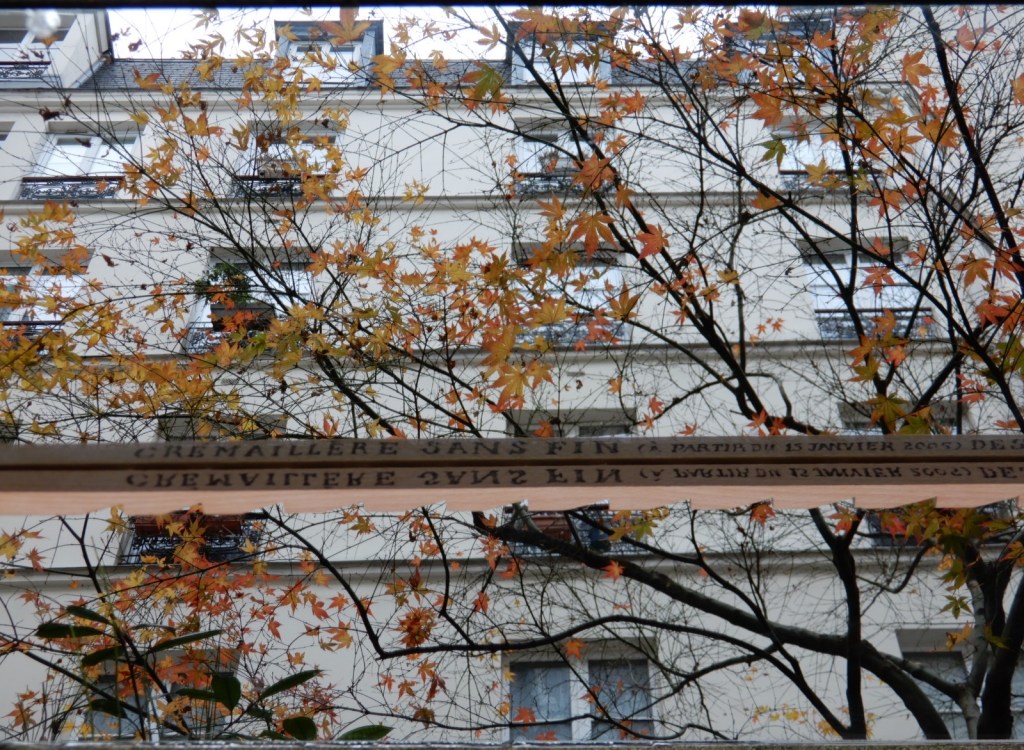
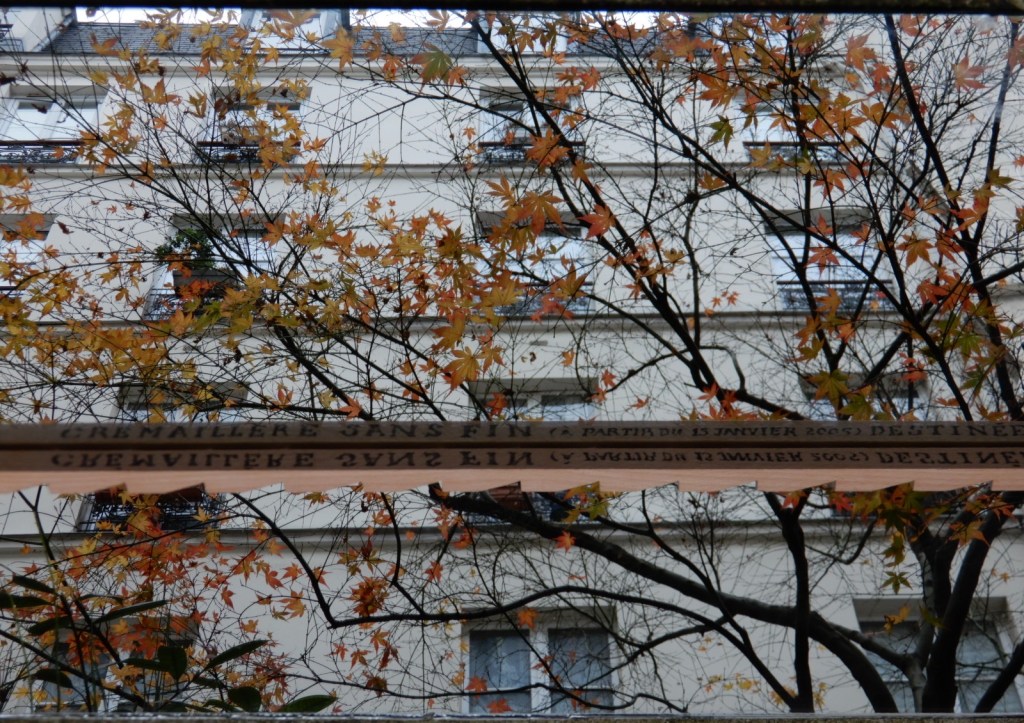
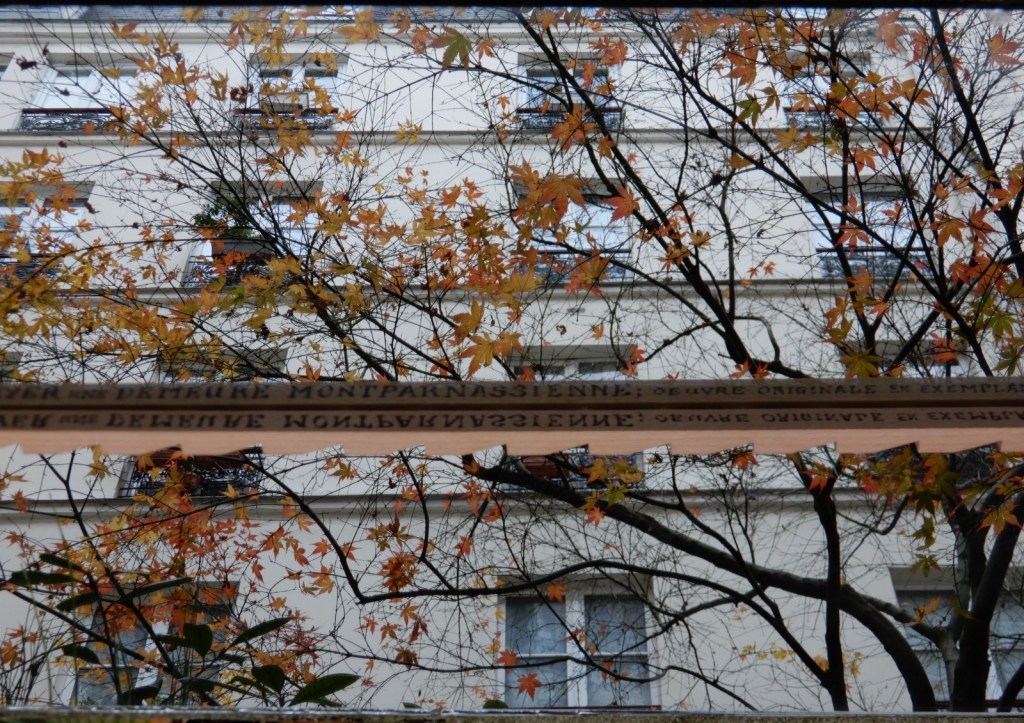
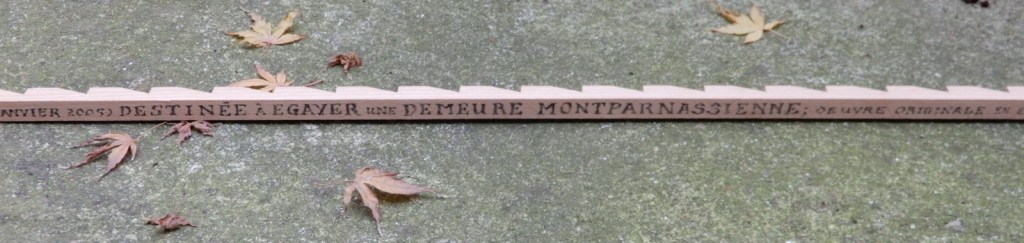
Crémaillère Sans Fin, 2005
MD, the doyen of readymades, used to make a living selling works by Constantin BRANCUSI. An Italian friend was set to throw an inaugural party in her newly-acquired Parisian apartment. Pendre la crémaillère being the traditional expression for such events, I resolved to commemorate the occasion with my own pseudo-BRANCUSI ‘readymade’ hardwood crémaillère, available in good French hardware stores. (An outmoded species, alas.)





Self-supporting storage systems, mid 2000’s
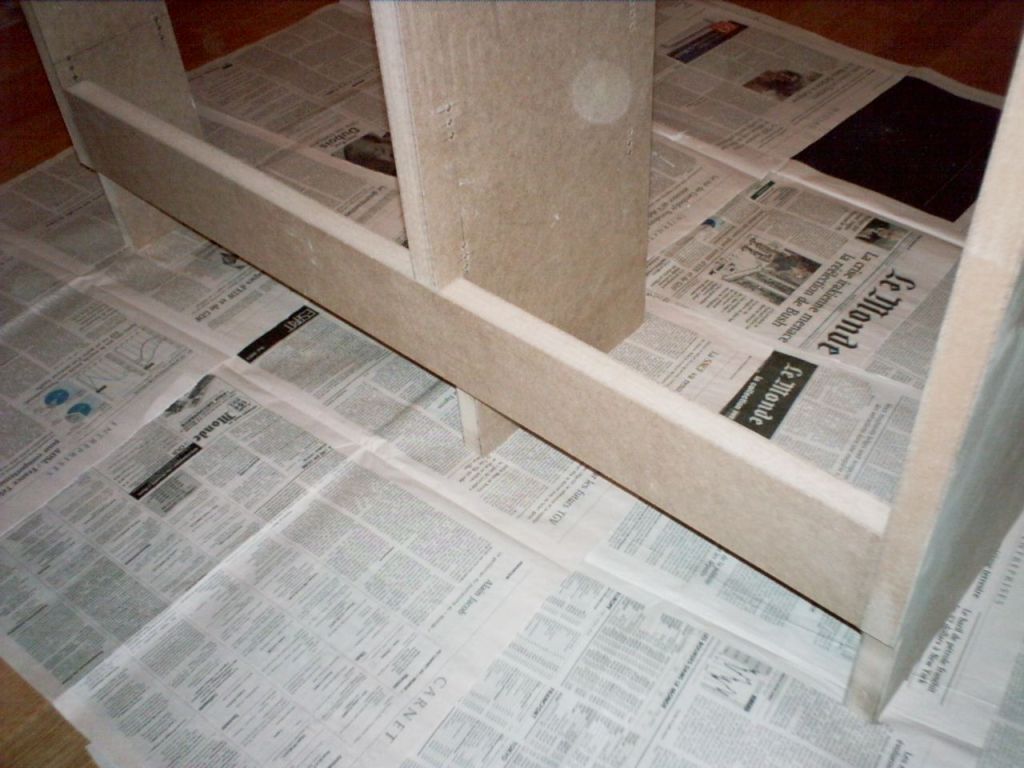
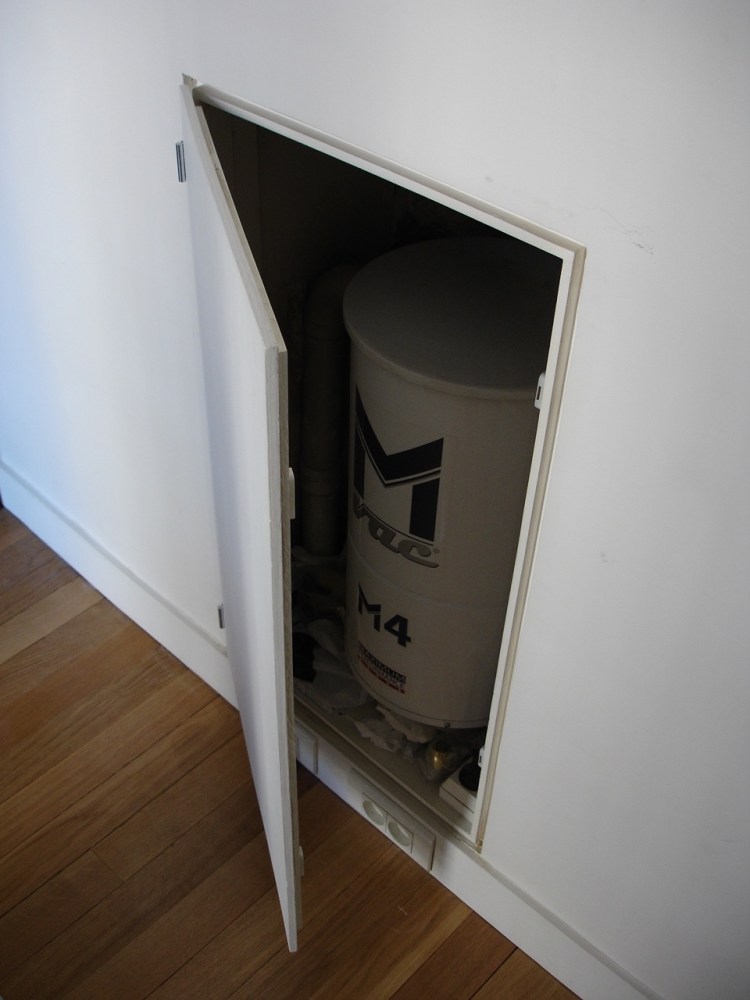
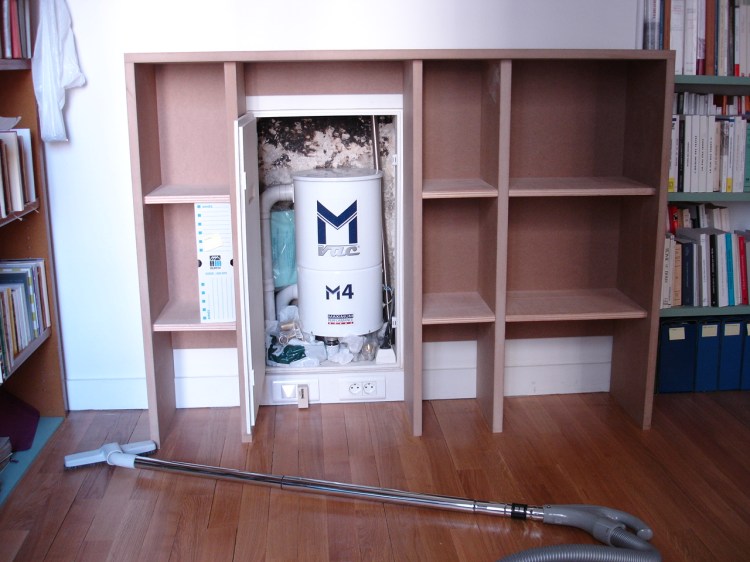
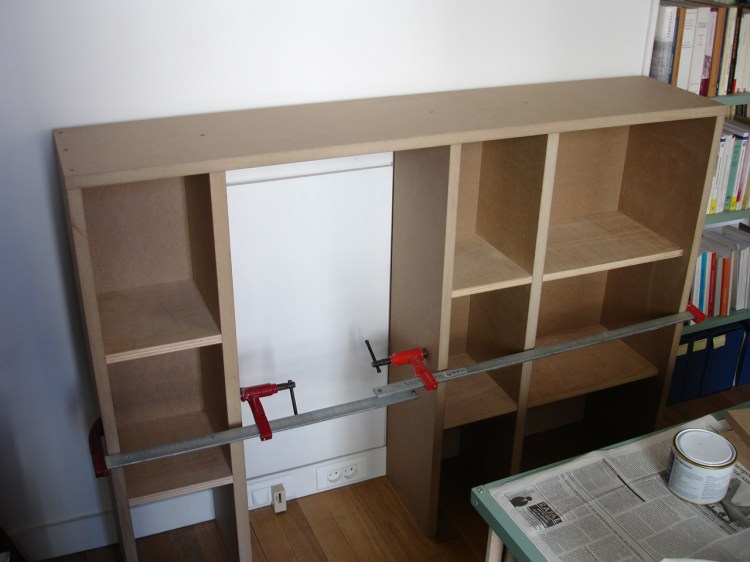
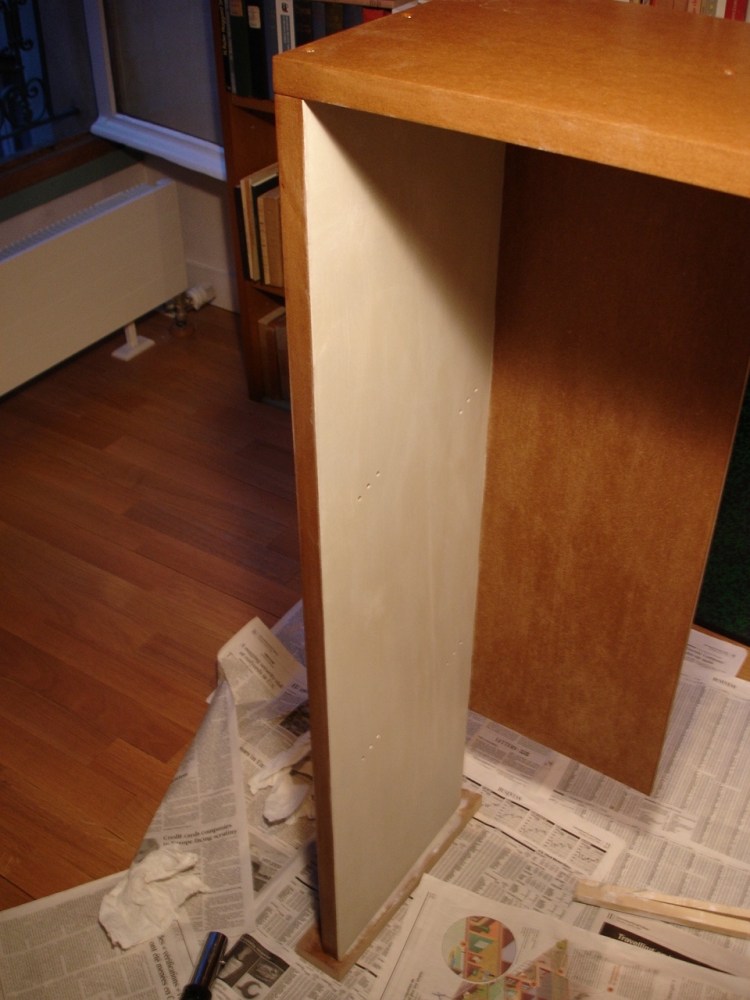
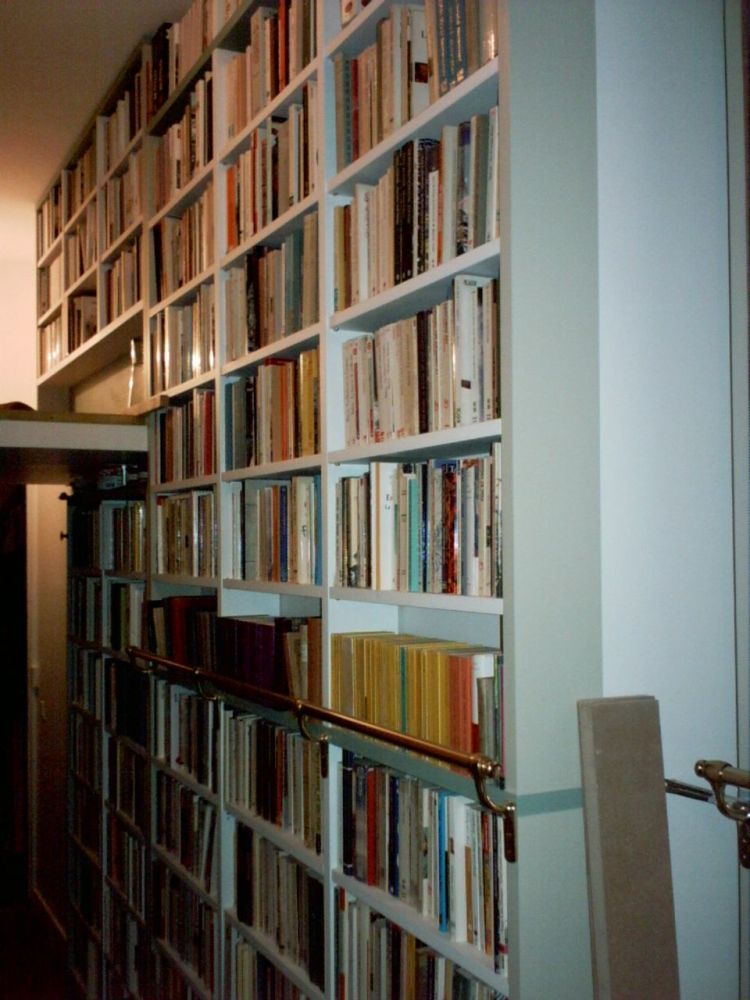
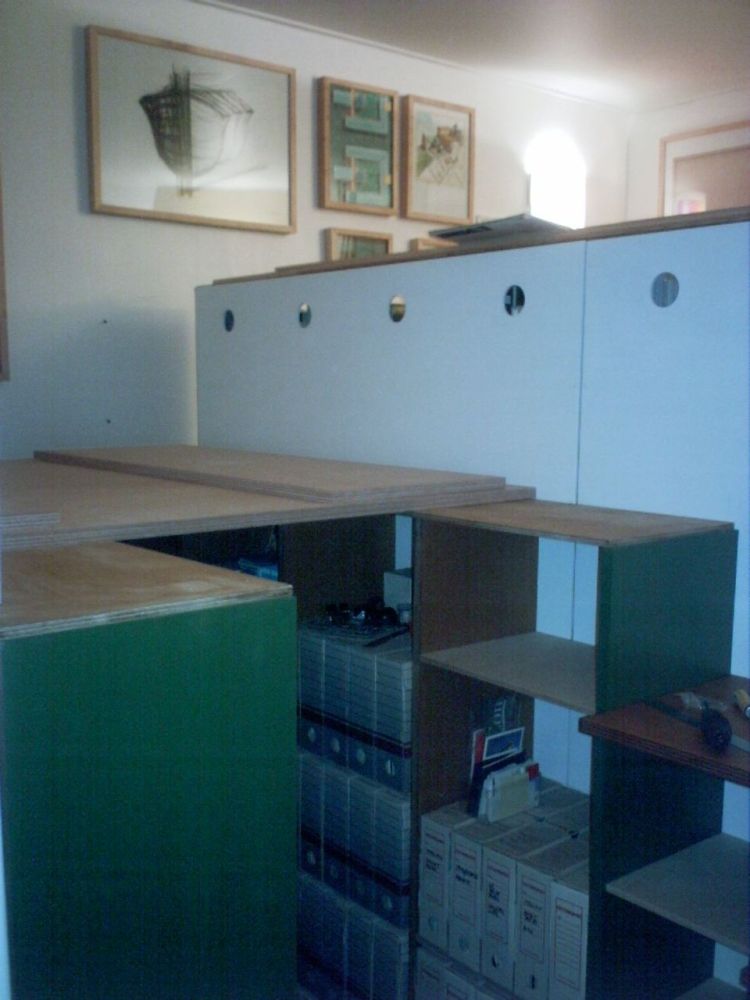
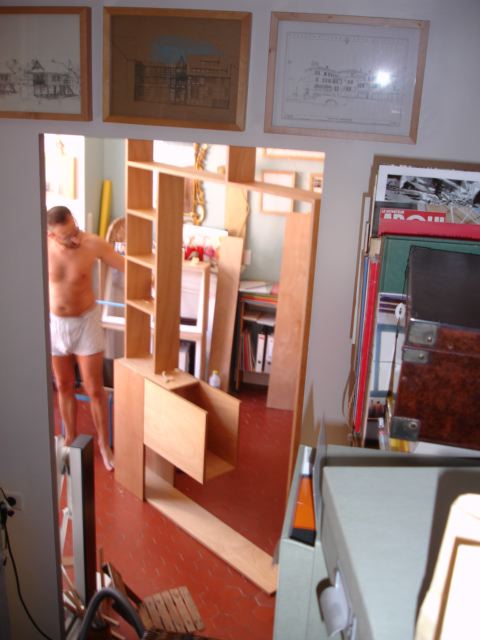
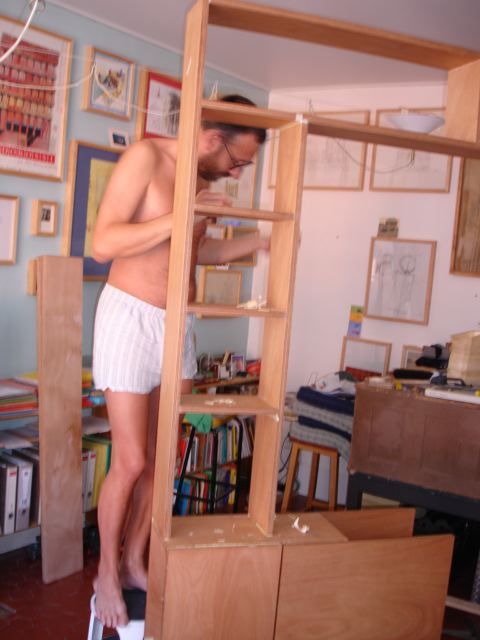
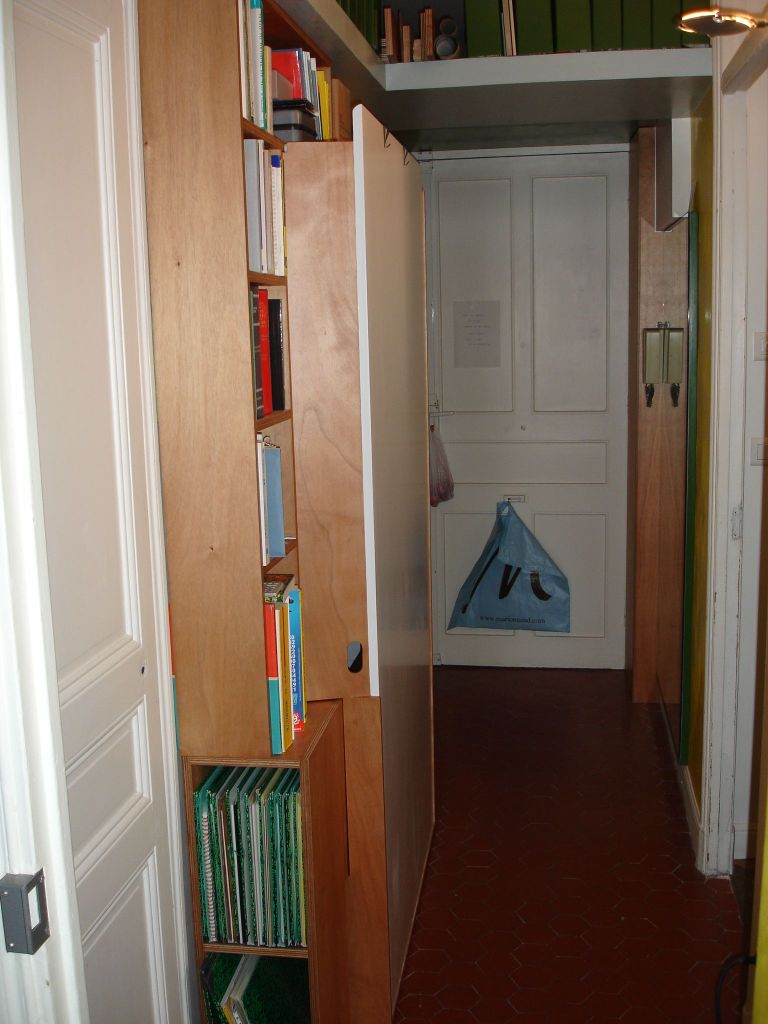
Simple free-standing constructions, in cut-to-size ply or MDF (painted or varnished), composed of risers, stretchers, top-plates, bracing panels & inter-mediary shelves, either faced with doors or not, make for a bespoke modular fit-out that is 100% retrievable in the event of moving. Model first devised for a private Parisian library, then adapted in Nice for my own storage & sleeping platform rerquirements.

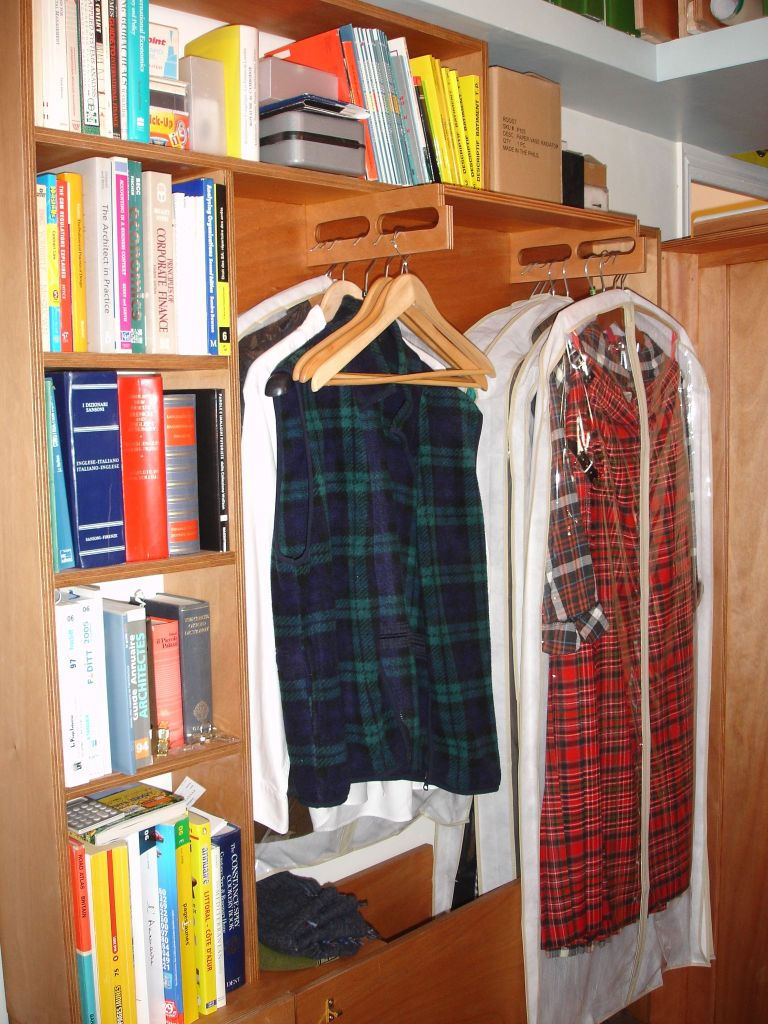
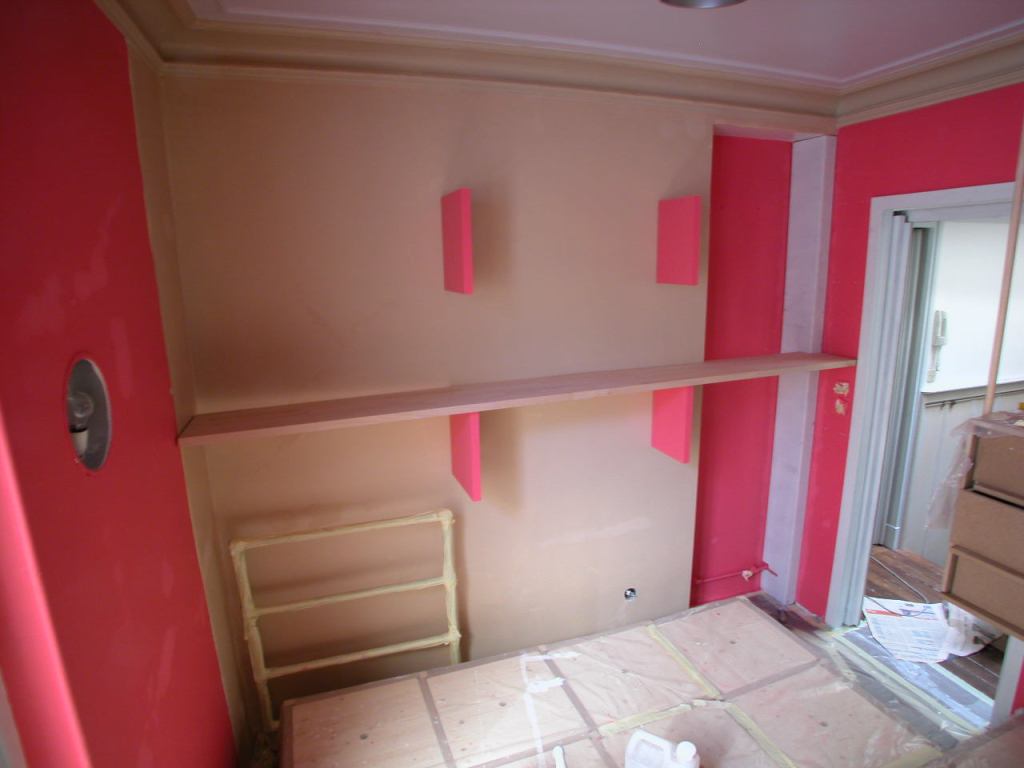
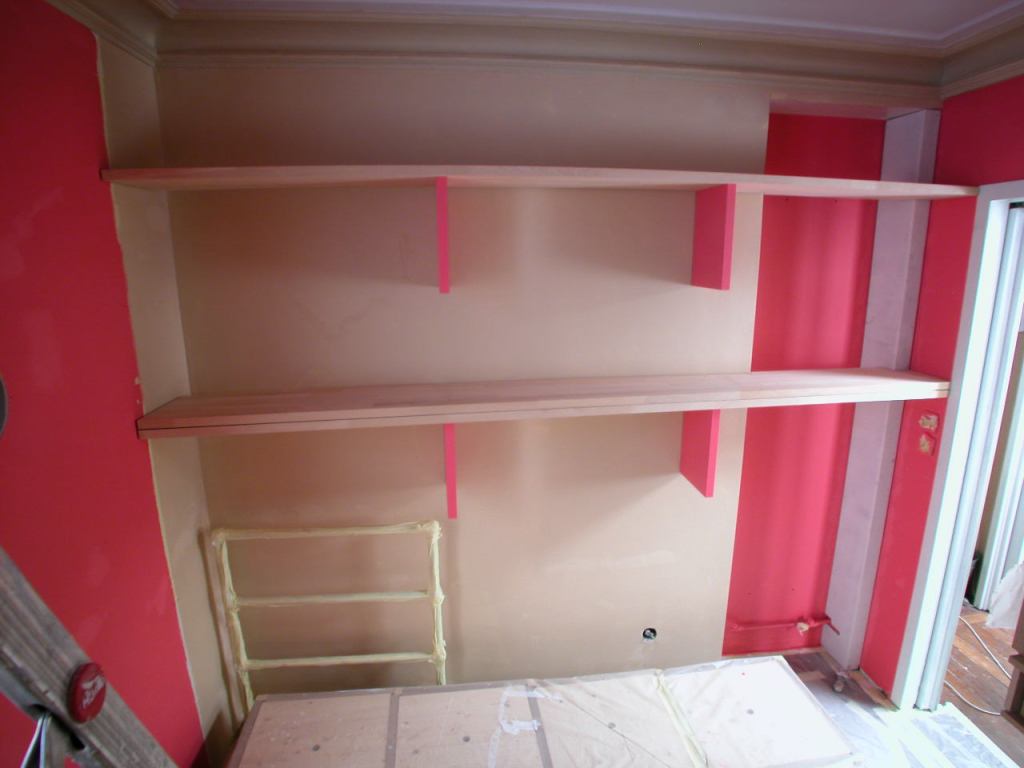
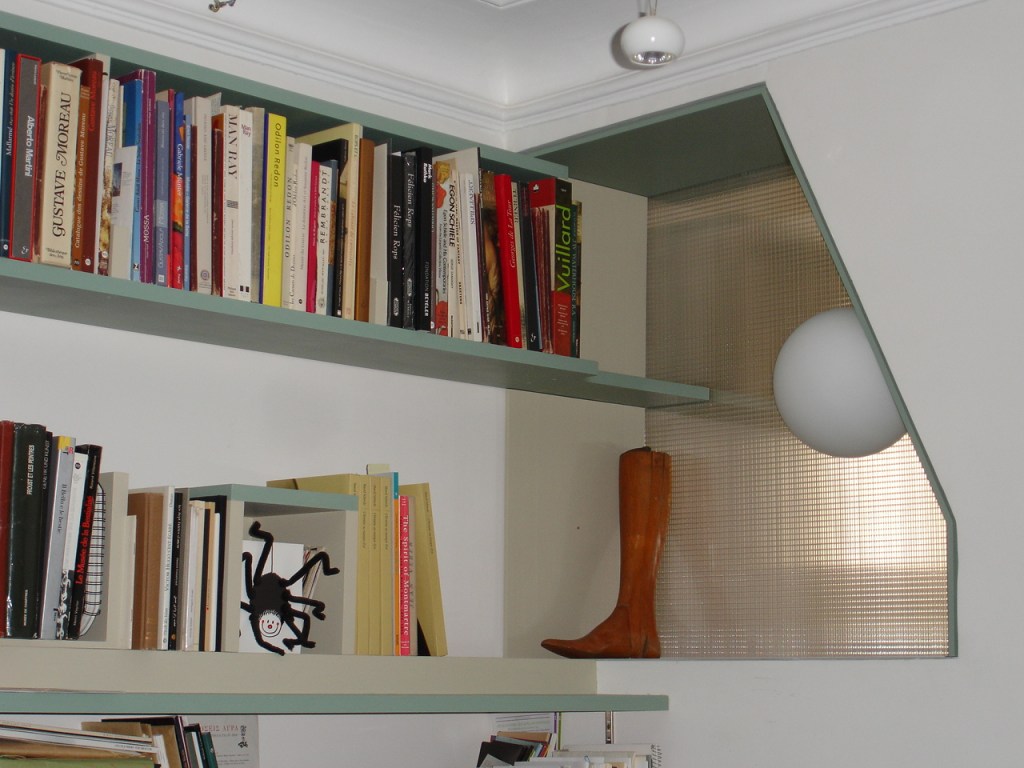
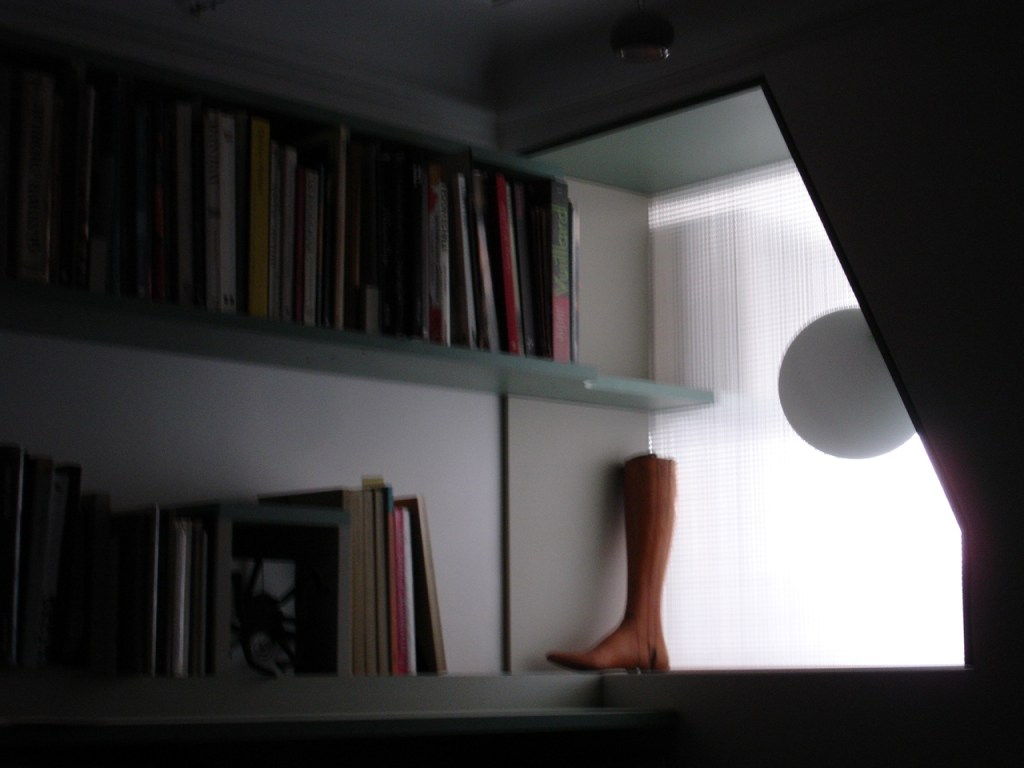
Wall-suspended shelving system, late 2000’s
Portuguese joiners on a Li.Ter site I had been called to supervise in 2003 introduced me to the finer tricks of concealed fixings.
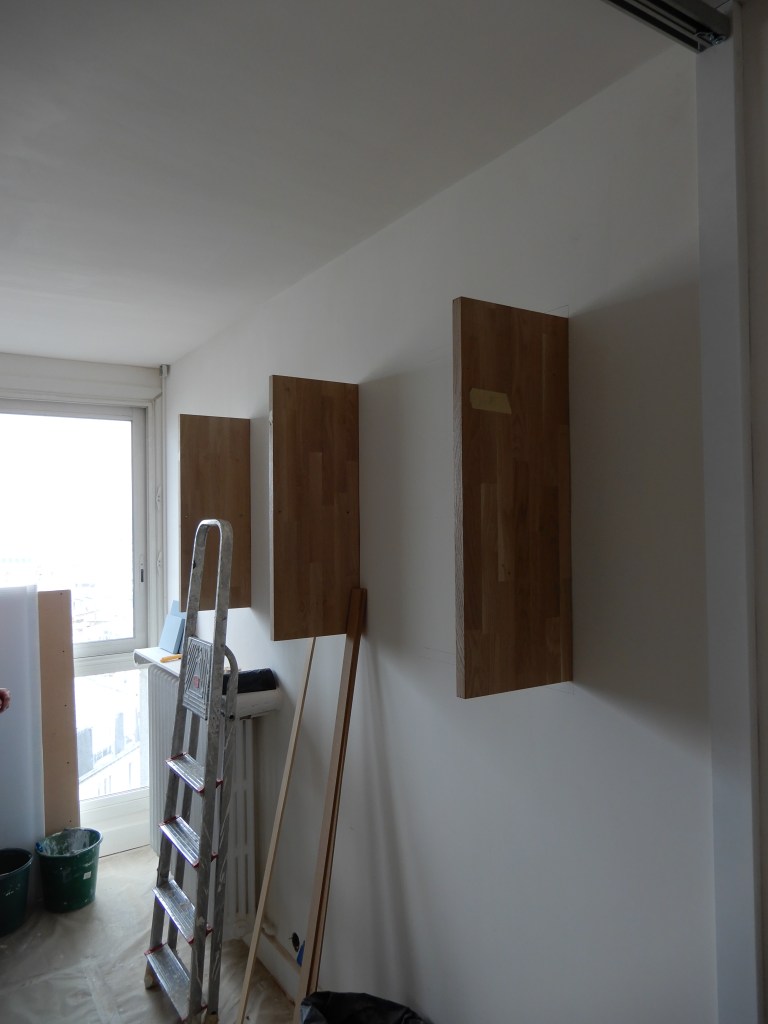
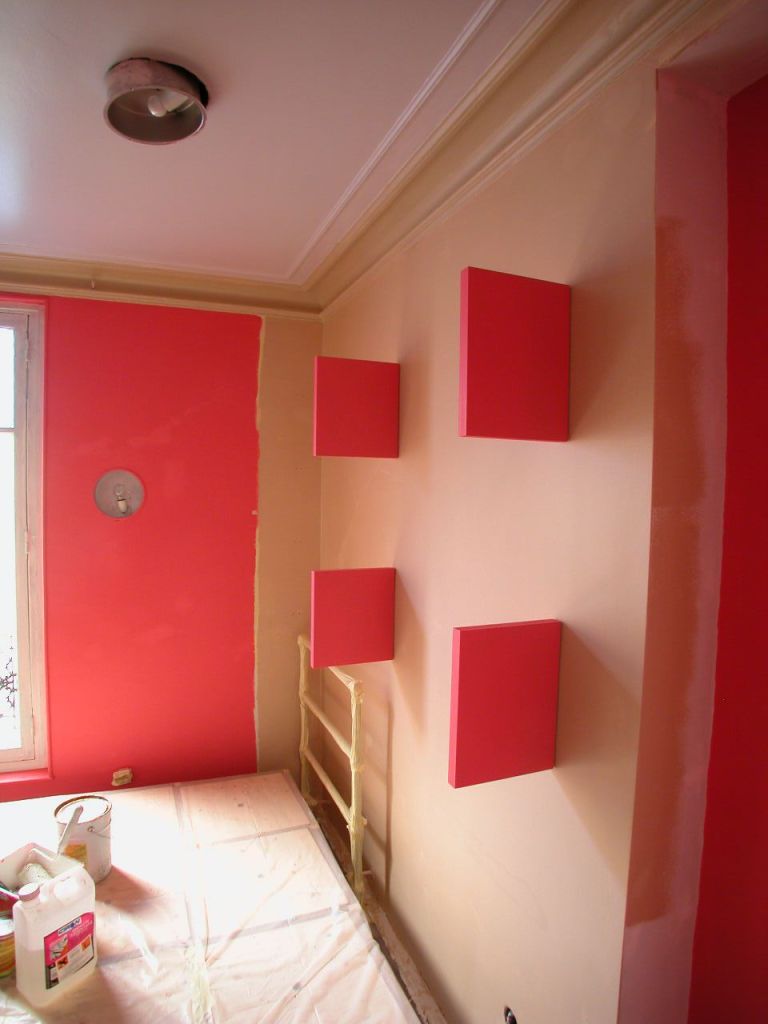
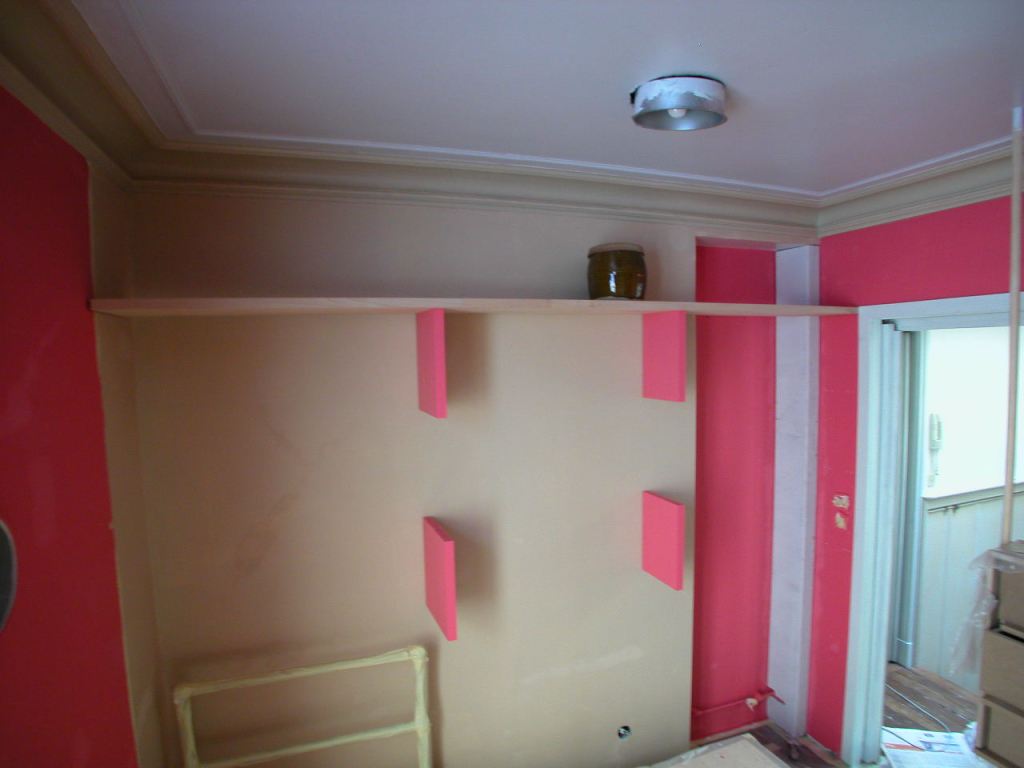
I soon discovered that hanging vertical support fins off a wall with such hardware allowed sequential assembly of large elements, effectively lining it completely, if so desired.
System applied over the years in 3 different locations, twice by my own handiwork, latterly as executed by a professional joiner.
Raised floor storage system, 2009
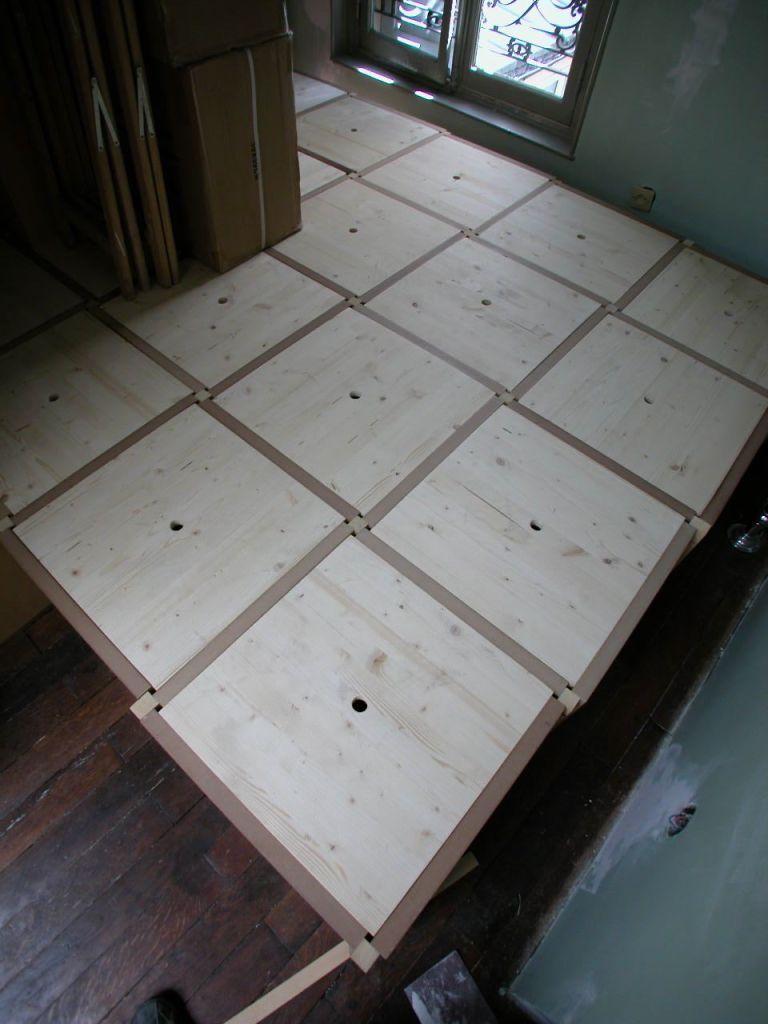
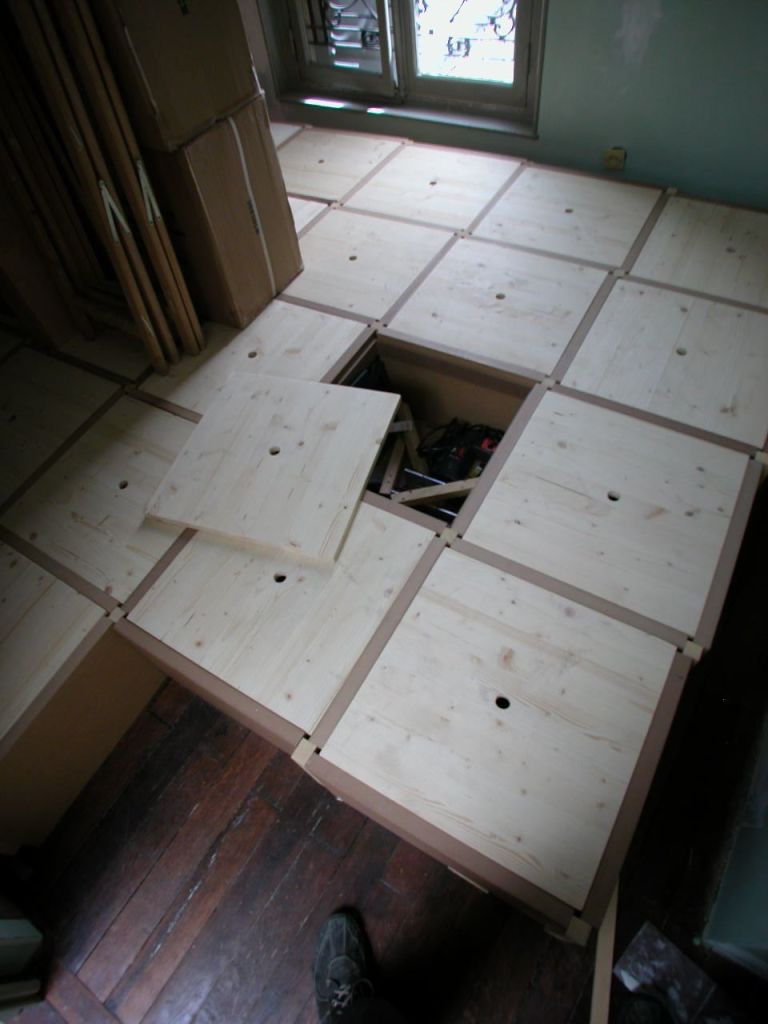
Lovely large cuban mahogany wardrobes in a small bedroom had proven impractical, and the only way to recover the lost storage and increase the floor area for a futon mattress was to build storage modules below the tatami mats. Built with the assistance of Sophie POENOU.
Ceiling-suspended drawer units, 2009
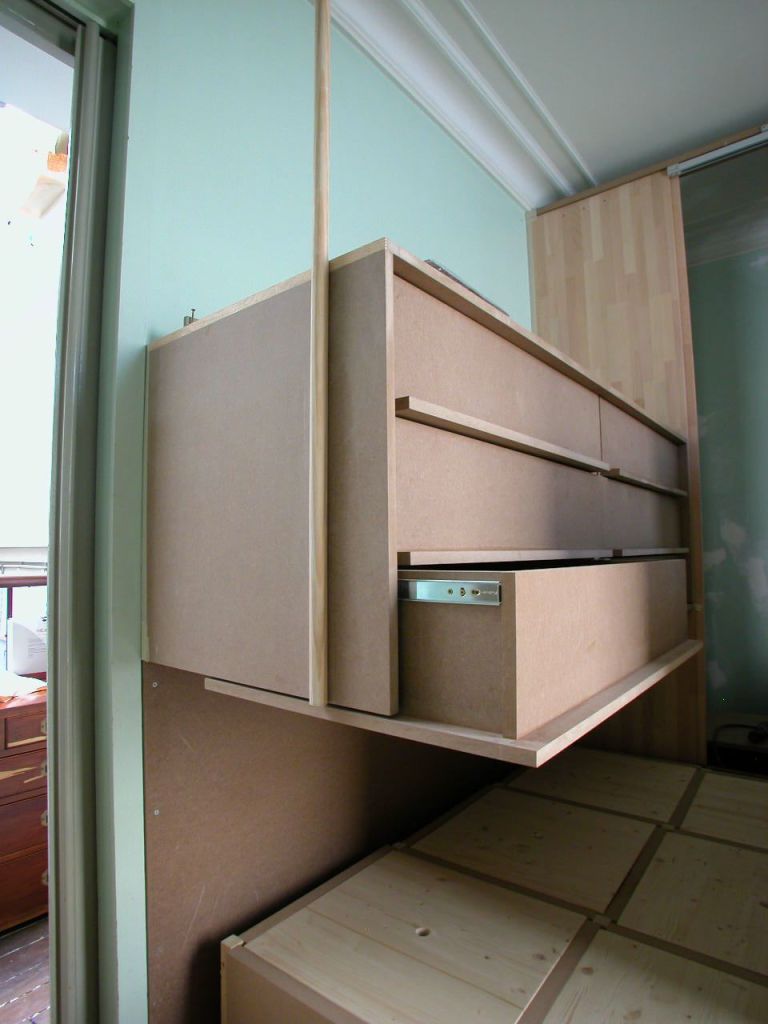
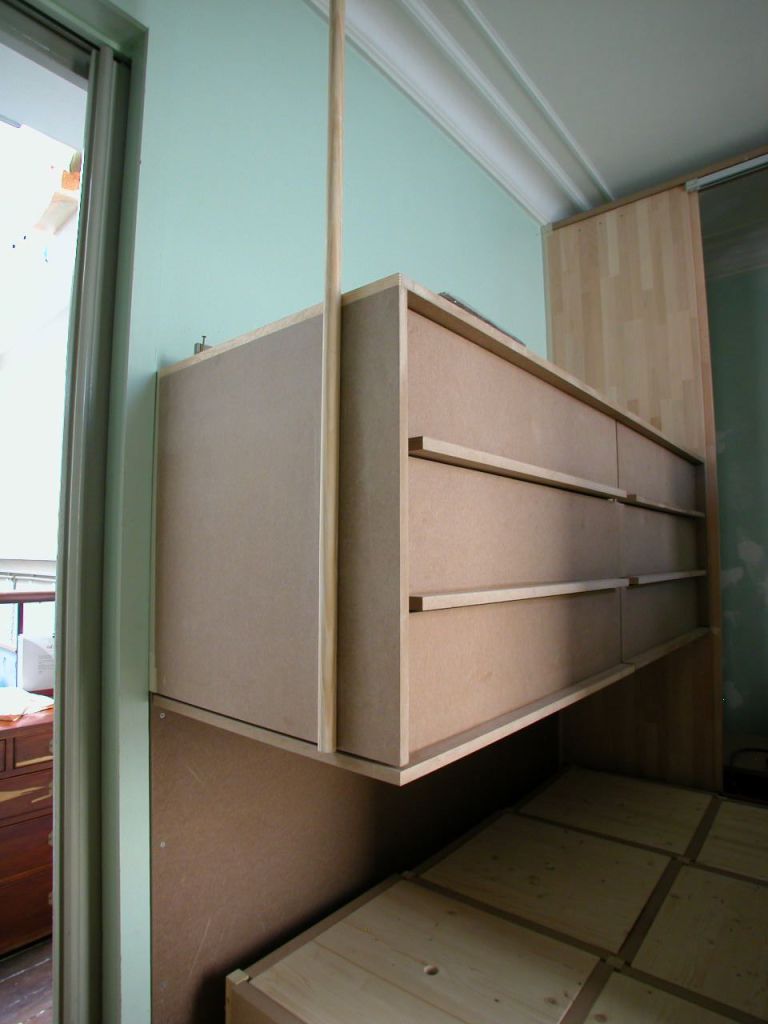
Corollary to the above-mentioned raised floor solution. MDF panels cut to order and assembled on telescopic runners. The suspension dowel was screwed to ceiling rafters (in the roof-space) after setting in plaster, to avoid deformation.
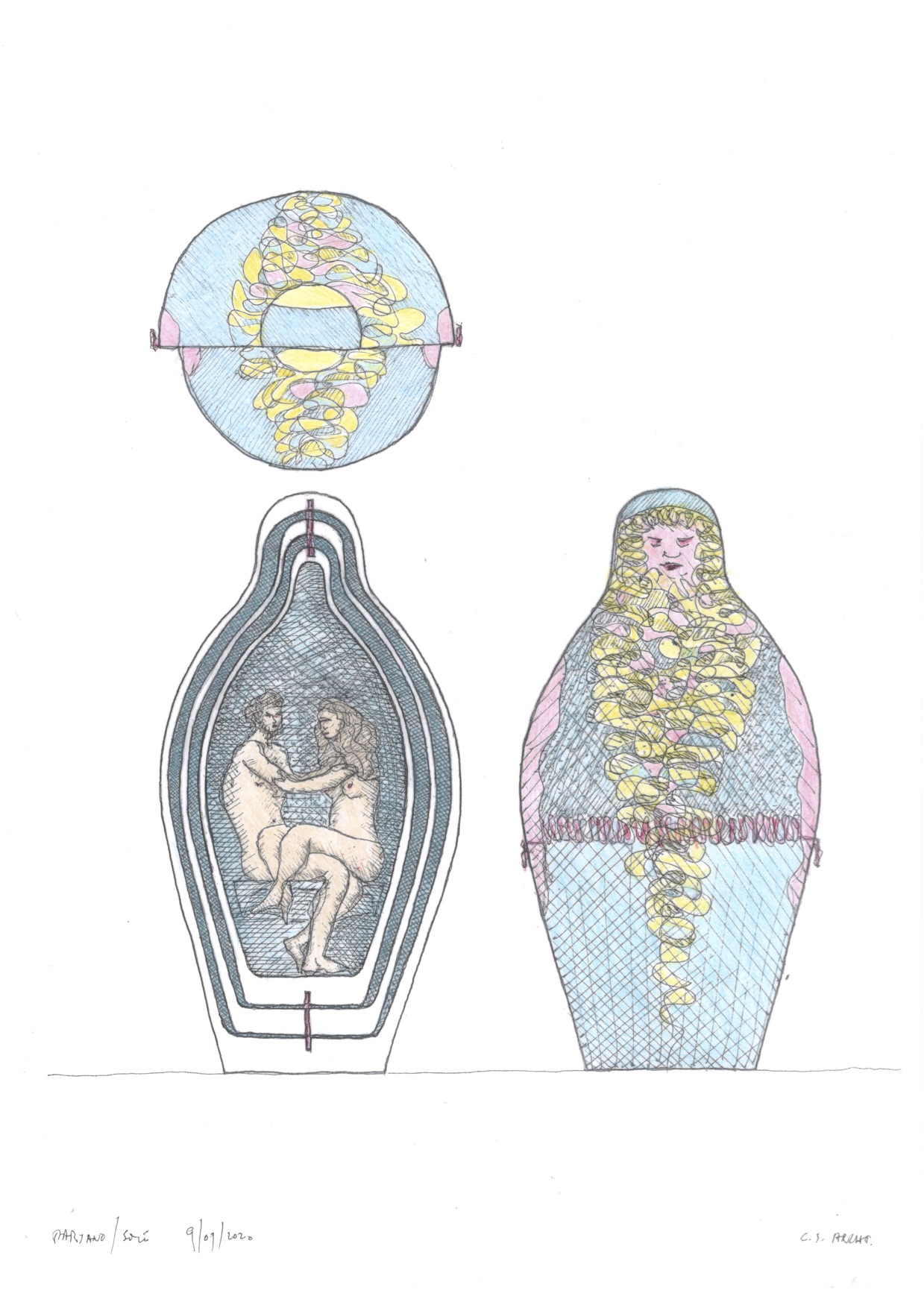
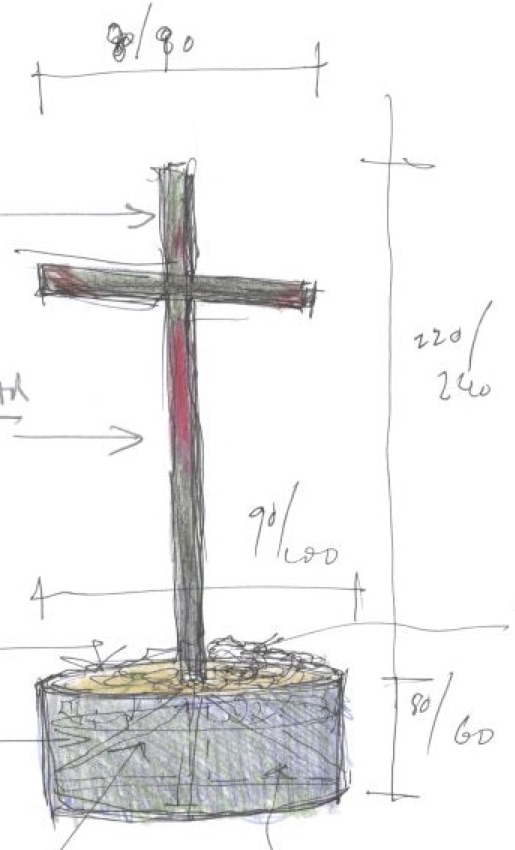
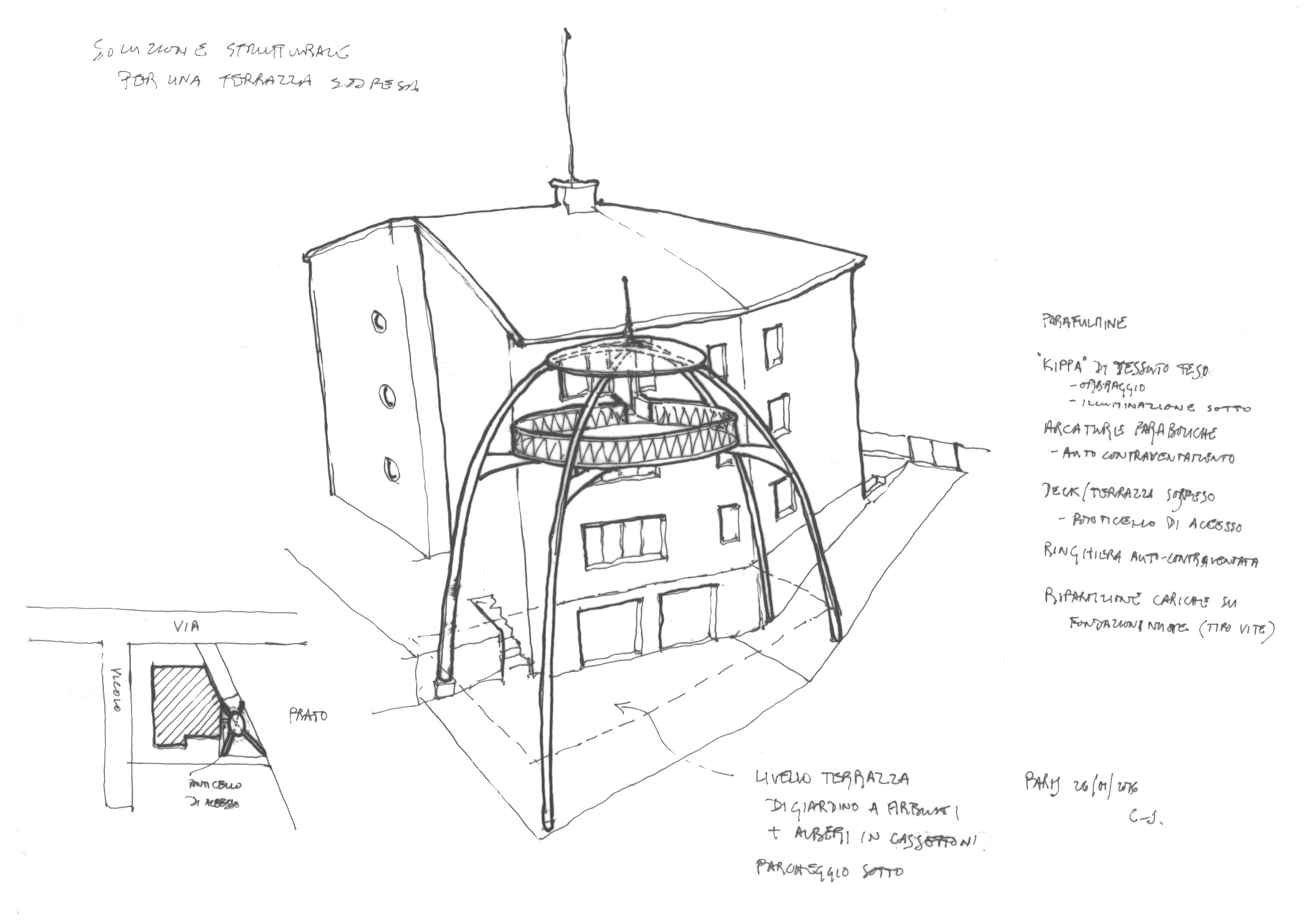
Sundry sketched items, late 2010’s
Giant matrioschka garden pavilion (2020)
Related or parent pages :
Architectural Studies (signatory)
 opus incertum